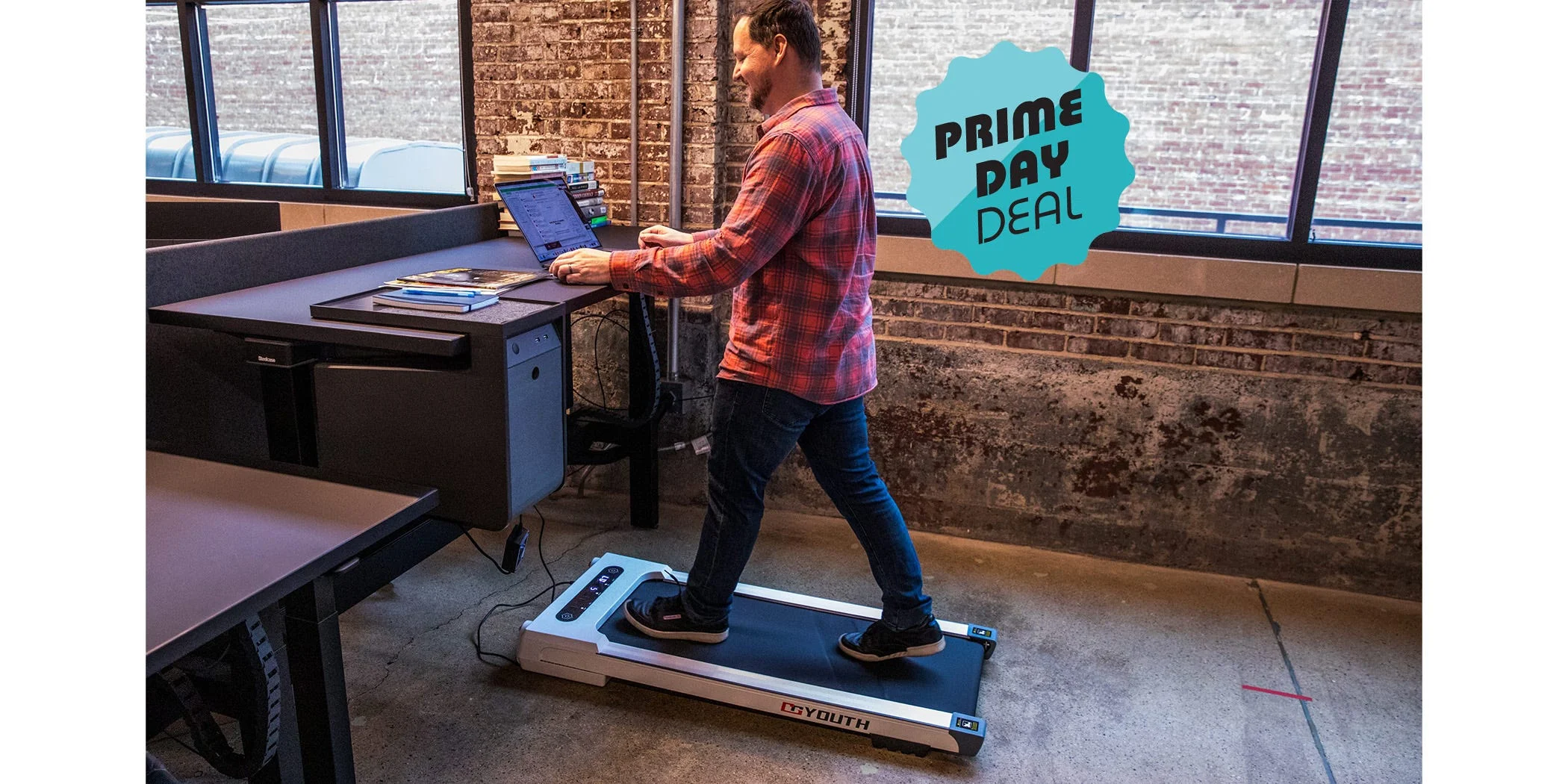
Vincent Mauri has caught the attention of runners everywhere with his remarkable performance: a 26.39-mile run at an average pace of 5:18, completed entirely on a Planet Fitness treadmill.
Breaking Down the Achievement
On June 28, during a treadmill session that lasted 2 hours and 20 minutes, Mauri logged this stunning distance, as verified by his Strava activity. Notably, this run exceeded the official marathon distance, leaving many impressed by his controlled pacing throughout.
What's remarkable isn’t just the distance but how he achieved it. Running even a 5:18 minute pace for over two hours is an extraordinary feat that speaks volumes about Mauri's physical conditioning and mental resilience. This performance challenges the common perception that a treadmill setting can't compare to outdoor running, particularly for long distances.
The Science of Pacing
What truly distinguishes this treadmill endeavor is Mauri's methodical approach to pacing. His run consisted of incremental increases, with varying speeds ranging from 10.8 mph to an impressive 12.4 mph over the duration of the workout.
To break it down further, he began at about 5:33 per mile and concluded with a remarkable 4:50 per mile, all indoors at a gym typically associated with casual fitness rather than elite long-distance racing. This controlled escalation in pace showcases not only Mauri's skill but also a deep understanding of how to manage energy over a long course.
Mindset and Method
Describing the workout as “Efficient + Controlled” on Strava, Mauri mentioned his desire for a steady and forward effort during the run. He aimed to manage potential boredom while maintaining an engaged pace.
This is where mental endurance comes into play. Treadmill running, by its nature, can be monotonous. Mauri’s focus on efficiency indicates he's not just physically prepared but mentally sharp, which is often overlooked in discussions about endurance sports. And let's be honest: a little boredom in training can lead to big breakthroughs in performance.
Monitoring Performance Metrics
His heart rate data indicates a strong but sustainable effort, spending the bulk of his run in his endurance zone, with additional time spent in tempo. His energy management, aided by nutritional gels, demonstrates a level of preparedness that's crucial for long-distance success.
What this means for you, if you're working in this space, is that Mauri’s example serves as an interesting case study in effective training strategies. By harnessing technological aids—like heart rate monitors and pacing apps—he's able to optimize his performance in ways that were less accessible to earlier generations of runners.
The Benchmarks of Success
Mauri's impressive treadmill performance is further amplified by his earlier achievement at the Glass City Marathon, where he recorded a 2:05:54 finish, marking the fastest debut marathon by an American.
During that race, he averaged 4:48 per mile, winning by over 15 minutes, which begs the question: what’s in store for Mauri as he further hones his craft? His trajectory raises an intriguing point about the relationship between training styles and race day success. Treadmill runs like this one might not be conventional, but they can lead to substantial performance benefits.
The Role of Conditioning
Having dedicated approximately 90% of his winter training on the treadmill due to adverse weather in Ohio, Mauri's commitment to indoor miles has clearly paid off. While this particular treadmill workout won't officially count as a marathon, it's an eye-catcher in the training logs and worth noting for its sheer audacity.
This moment begs a closer look at how weather conditions influence runners' ability to prepare. With changing climates affecting traditional training spaces, treadmill running offers a viable alternative that can be strategically employed—even if it often gets undervalued.
Implications for Future Training
Mauri's journey underscores how unique training environments can lead to outstanding performances. While treadmill runs might not always receive the spotlight, the results can certainly surpass expectations.
His experience suggests that other athletes may benefit from adopting similar strategies, especially when training outdoors isn't feasible. The treadmill, then, should be seen less as a novelty and more as a serious training tool that can lead to remarkable achievements, even under less-than-ideal circumstances.