Understanding Calf Tightness: Causes and Remedies
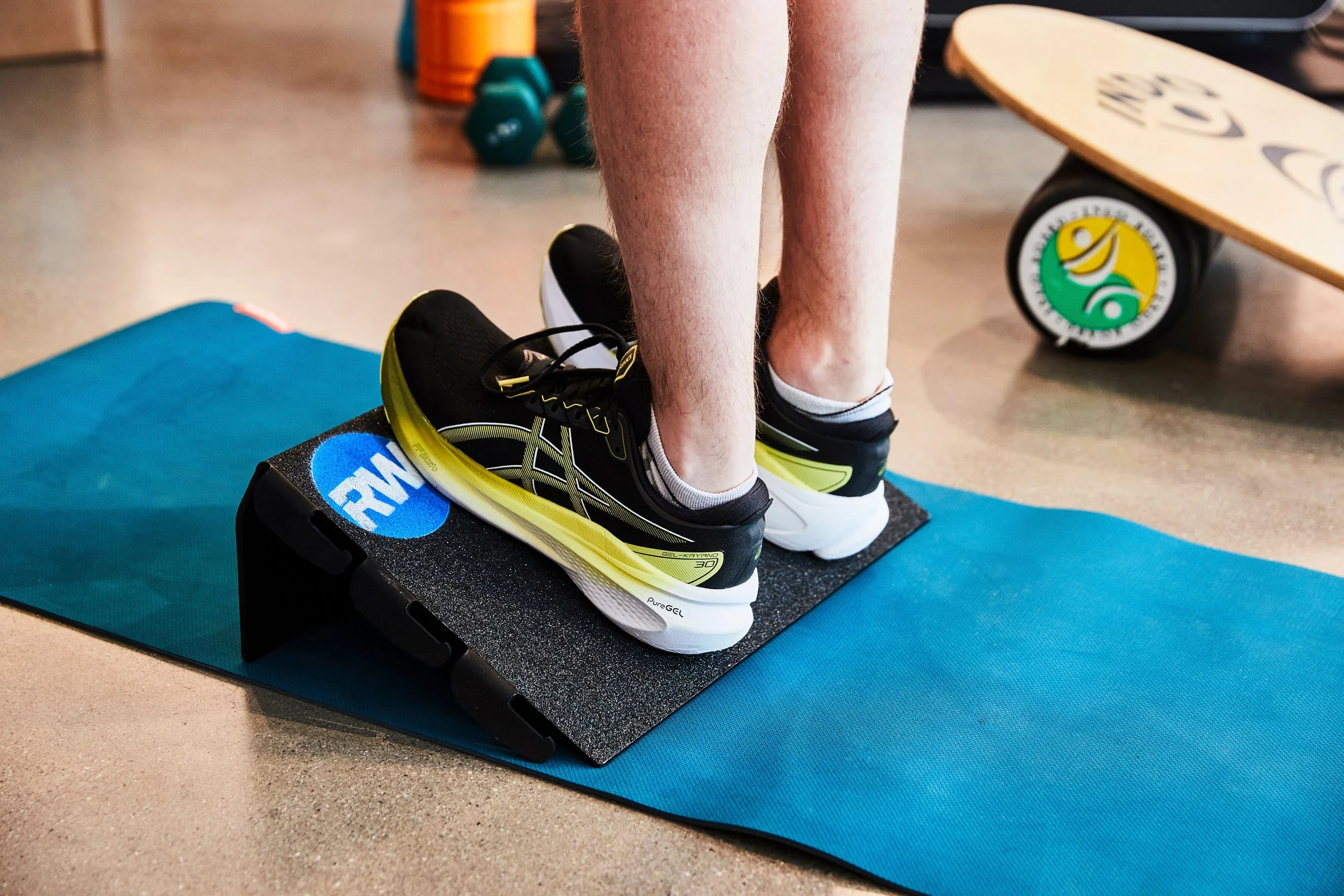
When your calves feel tight, it’s tempting to reach for a massage gun or use a curb for stretching. These methods, alongside tools like compression boots and foam rollers, can provide temporary relief. However, focusing solely on quick fixes ignores the root cause of the issue. If you're only masking the discomfort without addressing the underlying problem, you'll likely find yourself facing the same tightness after your next run.
“Tightness is a symptom, not a cause,” emphasizes Jessie Duppler, DPT, creator of the Chain Reaction Strength Revolution program. She elaborates that tight muscles signal that something else in the body isn’t functioning as it should. Often, this tightness arises from overworked muscles—essentially, when a muscle group is pushed beyond its limits, leading to inflammation and stiffness. Recognizing this is the first step toward making lasting changes.
Causes Behind Calf Tightness
A significant contributing factor is a sudden increase in training regimen. “Too much, too soon” is a common refrain among runners encountering issues such as calf tightness. This phrase encapsulates a larger trend seen in both amateur and seasoned athletes. Robert Maschi, DPT, from Drexel University's Running Performance and Research Center, points out that muscles need appropriate recovery time to adapt to greater distances or speeds. “Stacking workouts without sufficient recovery can lead to an accumulation of stiffness,” he warns. Think about it: muscles respond to stress by adapting, but they need time to heal in order to grow stronger.
Moreover, if you’re introducing speed work or hill training faster than your body can adapt, your calves may end up overworked. This can happen more easily than you'd think, particularly if you’re excited to improve performance. Beginners and even experienced runners might overlook their own body's signals, pushing through the initial discomfort until it becomes pain. This is a setup for injury.
Solutions for Prevention and Recovery
To prevent tight calves, following a progressive training plan tailored to your fitness level is essential. Sustainable improvement means respecting your body’s limits. And backing off when you start feeling tightness is equally important. Increasing recovery time, scaling back mileage, or adding extra recovery days can help mitigate discomfort, allowing you to come back stronger. Some might see this as a setback, but in reality, it’s a smart long-term strategy.
Another factor often overlooked is the kinetic chain—a proper balance among various muscle groups is crucial for efficient movement. If one group, such as the hips or hamstrings, fails to provide enough power, the calves may overcompensate, leading to tightness. This compensation mechanism can create a cascade effect that impacts other muscle groups as well. Strengthening exercises targeting all muscle groups are necessary to create a balanced system. Think about complementary workouts, like hip or core strengthening, to support your calves instead of overstressing them.
Additional Factors to Consider
Switching running shoes or terrain can also play a role in calf tightness. Moving to a shoe with a lower drop can lead to increased tension in the calves, as these shoes shift the workload. Many runners make this switch for lifestyle or performance reasons without fully understanding the implications. Similarly, switching from road to trail running introduces unpredictability that can overstress the calf muscles, leading to tightness or strain. Runners often forget that different surfaces demand different adaptations from their muscles, particularly in the calves.
If you've recently made some of these changes, Maschi suggests reducing your running volume while your body adjusts. The adaptation phase is critical. When it comes to increasing your cadence, do so gradually to avoid shifting excess load onto your calves. If you're working in this space, take note: gradual adjustments are key to preventing injuries.
Implications and Future Outlook
Addressing calf tightness is a multi-faceted effort. It involves not just alleviating current discomfort but understanding the interplay of muscle strength, training regimens, and even footwear choices. By recognizing and reacting to these factors, runners can enhance their performance while avoiding unnecessary strain. As more athletes become aware of these connections, training philosophies may shift toward a more holistic approach. Recovery isn’t merely an afterthought; it’s an integral part of training.
The numbers here are underwhelming. Many runners still underestimate the importance of proper recovery and strength training. As awareness increases, we might see a decline in common running injuries. But until then, continuing to educate oneself about the factors contributing to calf tightness is vital. When you're well-informed, you’re not just a runner—you’re a smarter athlete prepared for the challenges ahead.