Embracing Running: How a Community Transformed My Approach to Marathons
Jul 27, 2026
•
5 min read
•
views
It’s hard to believe that just two years ago, the thought of running a marathon seemed like a mountainous challenge for many. In October 2021, I found myself grappling with that very notion when my friend Rachel "Rae" Butz extended an invitation into her running circle, the Breakfast Club Runners (BCR), a group based in Nazareth, Pennsylvania. The connection was personal: Rae was my son’s teacher, and he had enthusiastically informed her that I had recently picked up running again after a three-decade hiatus.
When I heard that her group typically tackled six to ten miles each Sunday, I was quick to dismiss the idea with a half-joking remark about my age and fitness level. I’d been comfortable running three to five miles at a time, but stretching that to double digits felt daunting. Long-distance running had never been my forte, and frankly, I wasn’t entirely sure I wanted to commit to it.
Reflecting on my past, running had always been a part of my life. I’d raced in high school and even competed in middle-distance events while serving in the Air Force in Germany. Yet, after an ill-fated attempt at a half marathon in the late 1980s that led to a knee injury, I steered clear of the sport for decades, opting for mountain biking instead.
The onset of the COVID-19 pandemic is where my narrative shifted. With the pressures of working in IT during uncertain times weighing on me, I turned back to running as a means of stress relief and to regain control over my health.
Joining BCR marked a turning point. Although I initially struggled to keep up with the group, I was motivated to push through my discomfort. I was determined not to be the one who dropped out or complained, and slowly but surely, the camaraderie and collective drive of my running companions began to reshape my experience. These sessions quickly reminded me of past training days in Germany with my close friend Klaus—runs filled with laughter and light-hearted banter. This time around, I felt the same spirit with BCR as we jogged together, swapping stories and encouragement.
The transformation in my running wasn’t just about consistency; it was also a testament to community. The mutual motivation within the group pushed me to sign up for the 2022 Jim Thorpe Area Running Festival, marking my first marathon experience. It was a leap, a dive into the deep end after years of sticking to comfortable distances.
In the lead-up to the race, I sought guidance from more experienced runners like Chris Mertz, a veteran of 32 Boston Marathons, and Michael Brown, a high school cross-country coach. Their insight was invaluable as I navigated the physical and mental demands of training. However, old injuries didn’t just fade away; about a month before the marathon, my knee began to act up again, raising the alarm bells in my mind. Fortunately, Rae urged me to consult a physical therapist who had a track record of aiding our fellow runners.
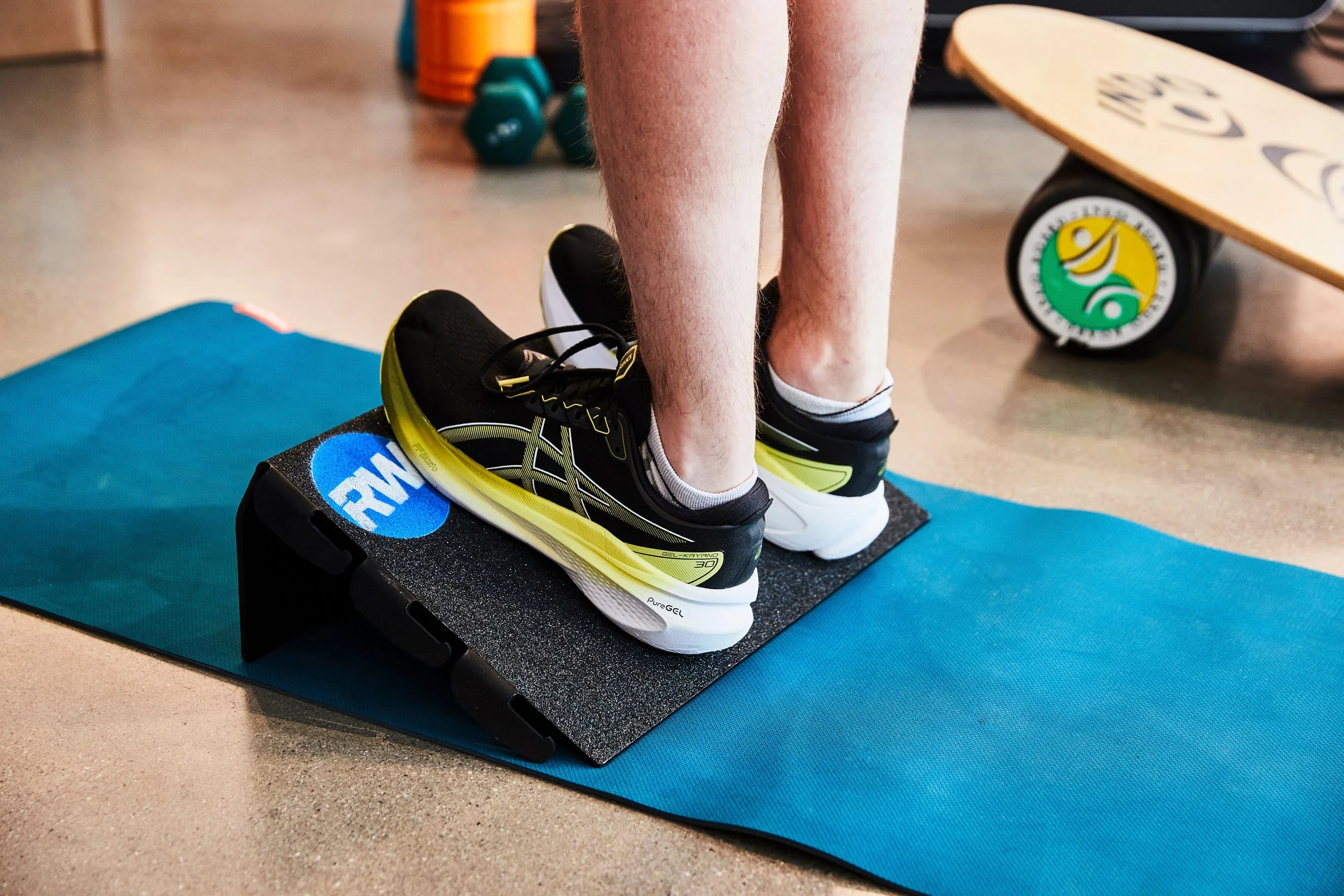
With targeted rehabilitation, I was educated on the importance of strengthening the surrounding muscles, thus enabling me to maintain my training schedule without reverting to my previous state of inactivity. The delicate balance of managing workload and body response was essential, particularly as I transitioned to longer distances.
As I neared race day at Jim Thorpe, I had a powerful experience; despite uncomfortable weather, I finished strong, clocking in at 3:22:31 with a second-place finish in my age category. That accomplished feeling only fueled my ambition for the future. The journey through injury, strength training, community support, and newfound motivations exemplified not only the physical aspects of running but the emotional depth of rekindling a long-lost passion.
This experience served a larger purpose: reestablishing a connection not only to running itself but also to the joys of companionship within the sport, propelling me toward my next challenge.