Running struggles often go beyond simple motivation issues; they frequently stem from disrupted training consistency. A missed run can snowball into a pattern of skipping workouts, leading to a state where the thought of lacing up becomes less appealing than staying put. This psychological barrier can be particularly tricky to navigate for runners who have established a regular routine. When the routine is interrupted, the downward spiral can escalate quickly, creating a mental block that prevents a runner from getting back on track. The connection between physical activity and mental well-being complicates this issue further, as anxiety about falling behind in training can deter athletes from engaging in any exercise at all.
“After a period of reduced activity, we commonly see a rise in overuse injuries,” notes Kelton Cullenberg, DPT, and cofounder of Steady State Health. This often results from the erratic training schedule that emerges when runners attempt to compensate for missed sessions. The focus then shifts from achieving training goals to avoiding the discomfort associated with overdoing it, which can heighten fatigue and frustration. This cycle can turn a once-enjoyable activity into a burden, making it all the more challenging to regain motivation. It's a complex web of physical and psychological factors that holds runners back, raising questions about how best to break the cycle.
The Treadmill as a Solution
A treadmill, when utilized correctly, can offer a reliable solution to maintain running consistency. It provides a controlled environment that empowers runners to stay on track despite the challenges life throws their way—be it a packed schedule, severe weather, or travel obligations. “The treadmill doesn’t have to be a last resort; rather, it should be integrated into your regular training plan,” Cullenberg advises. This perspective challenges the common stigma that treadmills are only for desperate situations or less serious athletes. Instead, viewing the treadmill as just another tool in an athlete's kit can shift the narrative and potentially lead to better outcomes.
When Time Is Tight
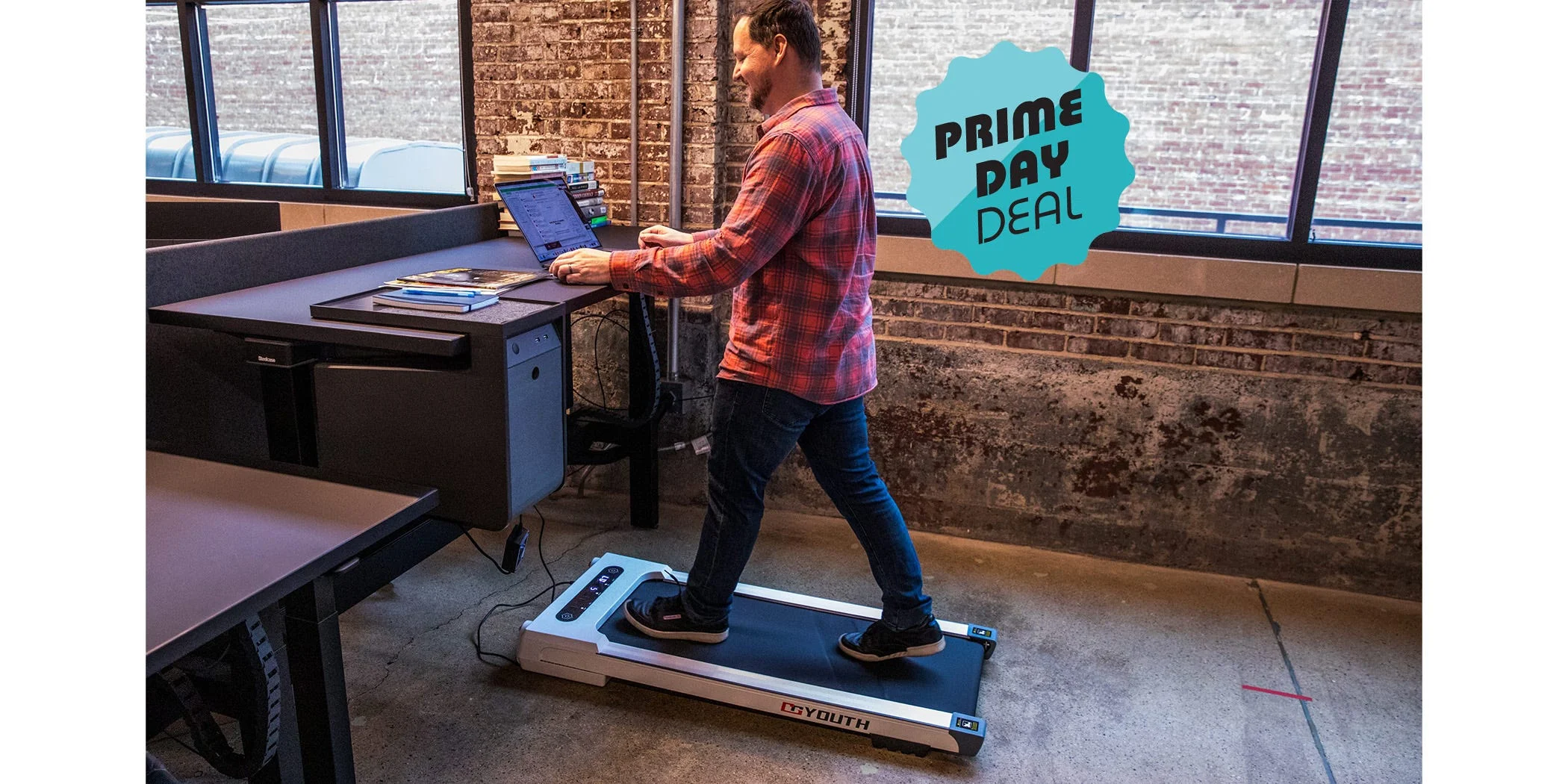
Time constraints frequently hinder planned runs, making the treadmill an excellent alternative. Unlike outdoor runs, which require time for preparation and commute, stepping onto a treadmill minimizes those logistical hurdles. If access is available at home or work, even a short session can help keep your training on track when a full workout seems impractical. This flexibility is particularly valuable for those juggling busy schedules, like parents, professionals, or students. The treadmill allows for quick, efficient workouts that fit into almost any timeframe, making it easier to establish and maintain a routine that can adapt to changing circumstances.
When Weather Poses an Issue
Extreme weather conditions can impact motivation and safety. Whether it's icy winters or oppressive heat, these factors often force runners indoors. Relying on the treadmill only under duress can backfire, especially when it necessitates sudden increases in mileage that lead to overtraining injuries, such as shin pain or knee problems. Cullenberg emphasizes, “It’s not the treadmill causing injuries, but the abrupt changes in training stress.” That said, the solution lies in gradual and consistent use of the treadmill, integrating it into an athlete's routine rather than making it a fallback option.
Incorporating treadmill workouts regularly, even in favorable outdoor conditions, allows runners to avoid dramatic shifts in their training intensity and reduce injury risk. Creating a habit around indoor running makes it easier to pivot when the weather dictates an alternative approach. Moreover, considering the treadmill’s ability to simulate varied terrains and intensities can enhance a runner’s overall training experience, serving as a versatile tool that can support specific training goals.
When You’re Traveling
While running may seem like a portable sport, securing a safe running route in unfamiliar territories can prove challenging. High-traffic areas, poor lighting, or extreme conditions can deter even the keenest runners from getting outside. If a treadmill is part of your standard routine, the transition during travel diminishes the risk of disrupting training. You can adapt to the hotel or gym setup with minimal adjustment, keeping your regimen intact. For many who travel frequently, this adaptability can mean the difference between maintaining fitness or falling off track entirely.
The Bottom Line
The key to leveraging the treadmill effectively lies in proactive integration rather than reactive reliance. Regular indoor runs, even when outdoor conditions are perfect, allow for an effortless switch when faced with unavoidable circumstances. The idea of making the treadmill a routine part of training feels more necessary as weather patterns become less predictable, especially in various regions. Runners accustomed to outdoor habits may find it difficult to shift, but an open mindset to different training environments can yield benefits, both physically and mentally.
Cullenberg recommends planning ahead—if you anticipate busy periods or inclement weather, start introducing treadmill sessions into your routine about two months in advance. For instance, if you aim to run on the treadmill frequently in January, begin by replacing a couple of outdoor runs with treadmill workouts in the months leading up. This gradual approach helps you adapt mentally and physically, establishing the treadmill as a natural component of your training. (And this is the part most people overlook.)
By normalizing the treadmill in your workout regimen, you ensure that when life's complexities arise, running remains a consistent, manageable part of your routine rather than a source of anxiety. This perspective is especially relevant given the growing emphasis on maintaining physical and mental health simultaneously, making it all the more significant to find ways to keep those running habits alive—whatever the circumstances.
Future Outlook: The Role of Technology
The future of running may very well hinge on advancements in treadmill technology. As devices become more interactive, offering personalized training feedback and virtual competition environments, runners might find even greater incentive to incorporate treadmill sessions into their training. If you're working in this space, consider how these innovations can address persistently common barriers. The treadmill could evolve from a basic, functional machine to a dynamic training hub, enhancing not just physical fitness but also community engagement through virtual platforms.