Completing the NYC marathon last fall was one of my most enjoyable race experiences; yet the training was plagued by physical setbacks, notably a severe case of Achilles Tendonitis. Recovery isn’t just about time—it's about making smart choices. After this experience, I turned to various online resources and found the Sidekick Axis Board, which garnered significant praise across multiple forums.
The Role of Specialized Equipment in Recovery
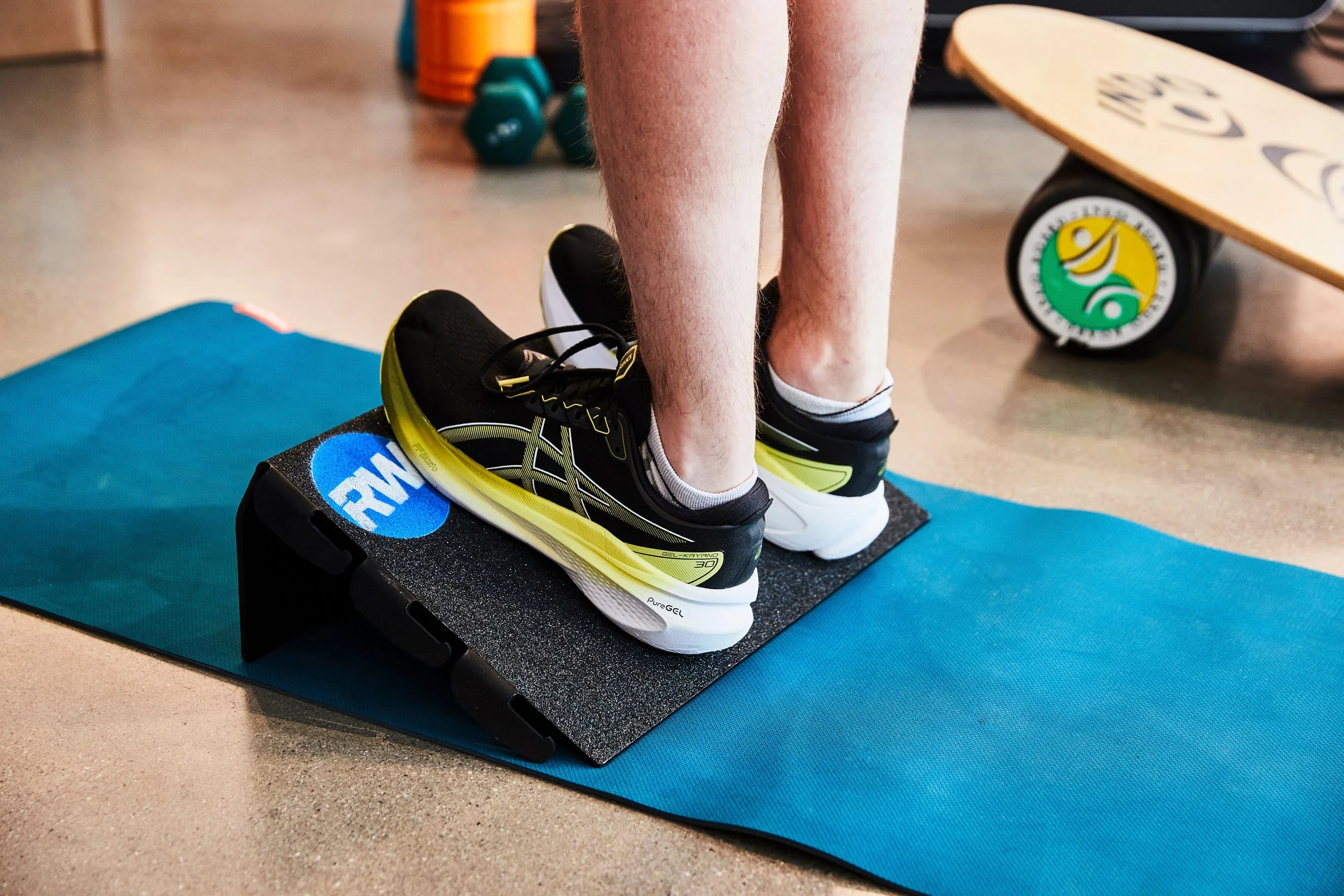
The Sidekick Axis Board stands out among many products aimed at recovery and rehabilitation. Designed with the intention of addressing common running injuries, its use of controlled movements can play a pivotal role in physical rehabilitation. In essence, this tool allows users to engage in targeted rehabilitation exercises that focus on the Achilles tendon and surrounding muscle groups. Many professional athletes and physical therapists advocate for similar systems, focusing on how using such tools can empower athletes to manage their recovery more effectively. A price tag of $70 during Amazon Prime Day (down from $89) makes it a compelling option for those serious about injury prevention. Especially considering the relief it provided me, I found it to be more than just a luxury—it was a necessity.
There's often an underestimation of how effective physical apparatuses can be in facilitating quicker recoveries. I also incorporated rigorous massage therapy into my routine. This addition further contributed to my ability to complete the marathon relatively pain-free. The combination gave me a unique advantage compared to those who may neglect such strategies while training.
Alternative Solutions: The Velifit Ankle Strengthener
If the Sidekick's price feels steep, there's a wallet-friendly alternative: the Velifit Ankle Strengthener, available for just $20. Offering a competitive approach to ankle strengthening, it allows users to engage in similar exercises without the additional instructional booklet. While you might miss the comprehensive guide that accompanies the Sidekick, this product still provides the opportunity to adapt it for a variety of strengthening exercises, particularly for the calves and ankles. It’s a smart entry point for anyone looking to take their first steps toward injury prevention.
Using the Velifit doesn't mean compromising quality; instead, it showcases an effective early step in developing a structured injury prevention plan. What this means for you, if you’re working in this space, is the potential to invest less while still gaining access to valuable recovery methods.
Reflection on Recovery
Many athletes, myself included, often sideline recovery until it's forced upon us by injury. The reality is harsh: waiting until pain becomes unbearable often results in prolonged setbacks. My struggles with Achilles Tendonitis meant I had to postpone important long runs leading up to the marathon—frustrating, to say the least. A calculated shift toward proactive recovery tools was necessary to ensure I could compete at my best.
The Sidekick board proved to be well worth the investment. Its design encourages rehabilitation through a structured approach, allowing for improved recovery outcomes.
Proactive recovery isn't just an afterthought—it should be a key component of any serious athlete's training regime. The sports community often discusses the importance of physical conditioning while neglecting how significant recovery is to long-term success. The fact that many athletes only explore recovery options after sustaining injuries highlights a gap in the training process. As I've found, knowingly investing in recovery tools can make a world of difference—turning an injury-prone athlete into a resilient competitor.
Implications for Training and Future Outlook
As we think about the future of athletic training, the conversation around injury management and recovery will only grow. The emergence of more affordable, effective solutions—like the Sidekick and Velifit products—suggests that athletes at all levels are beginning to prioritize recovery as seriously as they do performance. The awareness that physical health maintenance can lead to better results is spreading, which might encourage more athletes to adopt similar practices sooner rather than later.
In sum, whether you opt for the Sidekick Axis Board for its full instructions or the Velifit Ankle Strengthener as a budget alternative, both tools have shown potential to keep injuries at bay and enhance physical performance. These boards provide straightforward yet effective methods for managing running injuries, a reality that is often overlooked until it’s too late. The encouraging message here is that managing recovery doesn’t merely extend athletic careers; it may also elevate performance, allowing runners to focus not just on finishing a race but excelling in it.