Recent months have been extremely challenging, especially through the harsh winter. By the time February rolled around, winter felt never-ending, leaving outdoor activities like jogging almost impossible. I found treadmill workouts only marginally better, leading to a frustrating reality: my fitness levels weren’t improving. Realizing I needed to change my approach, I focused intently on rebuilding my base as I prepared for my first 2026 training cycle.
With my performance stagnating, I turned a critical eye toward my metrics: heart rate stats, sleep data, and notably, my heart rate variability (HRV). These numbers began to tell a story about my current state. Tracking HRV provided insight into my recovery levels and stress management, which became vital as I looked to regain my footing in fitness.
Using my Garmin watch, I noted that my HRV consistently landed in the low range—even dropping below Garmin's established baseline of 34–42 milliseconds for my body. In discussions with colleagues, many reported HRV levels in the 50s or even touching the 70s, making my 30s seem alarming.
After a discouraging five-day stretch with my HRV stuck at 32, I dug deeper to understand what this metric really means and how I could improve it.
Understanding HRV
Heart rate variability measures the fluctuation in time between heartbeats, offering insights into how well your body manages stress and recuperation. It's a valuable benchmark for gauging your recovery status. Healthy adults typically range from 19 to 75, according to health.com. Genetics can account for 50 to 60 percent of the variability among individuals.
Generally, the higher your HRV, the better your body is coping with stress and fatigue. A lower HRV could suggest that you’re experiencing stress, sleep issues, or inadequate recovery. Interestingly, it’s not just negative experiences that can impact HRV; positive events can also cause fluctuations—as noted by Harvard Health Publishing.
How to Track HRV
While an electrocardiogram (ECG) offers the most precise readings for HRV, wearables like my Garmin provide sufficient accuracy for regular tracking. I consulted with Garmin’s team, who explained that HRV is tailored to each user, recalibrating based on extensive data. They shared that HRV scores are aggregated in five-minute intervals during sleep, necessitating a three-week calibration period to establish a personal baseline. Post that, the device adjusts using daily averages against that baseline.
To get the most reliable baseline, it’s best to measure during calm periods—like post-race recovery or when not pushing training intensity. Dr. Tamanna Singh, director at the Cleveland Clinic, emphasizes the importance of maintaining consistent sleep, nutrition, and recovery, which enhances the reliability of your reference point. Monitoring fluctuations in HRV during training cycles might highlight necessary adjustments to your routine.
When to Be Concerned About HRV
The key is differentiating between a one-time bad night and a broader trend in your training cycle. Dr. Singh advises against reading too much into isolated data points. A more substantial concern arises when HRV dips consistently over weeks, prompting an examination of sleep, nutrition, hydration, stress, and training loads. Lower HRV can stem from various issues, such as increased alcohol intake.
But with such a broad HRV range across individuals, how can one assess whether their own scores are acceptable? Dr. Singh recommends tuning into your body before scrutinizing digital metrics. Consider whether you feel rested, energized, or fatigued. Tracking your experiences through a journal can be invaluable. Understanding your own body's signals will often alert you to issues ahead of your wearable.
If anxiety over your heart health persists, seeking professional advice is prudent. Dr. Singh notes it’s better to get the reassurance you need or pursue further testing than to remain in a state of worry without taking action.
This winter, particularly in February, brought about overwhelming feelings of stress and distraction. I felt bombarded by an endless list of tasks and experienced bouts of sadness seemingly out of the blue. My struggle with sleep—exhausted yet unable to drift off—aligned with the concerning trends in my HRV. Recognizing that my baseline was too low at that time prompted me to identify and focus on specific goals for improvement.
Ways to Enhance HRV
Your lifestyle choices heavily influence HRV, with a few key factors standing out.
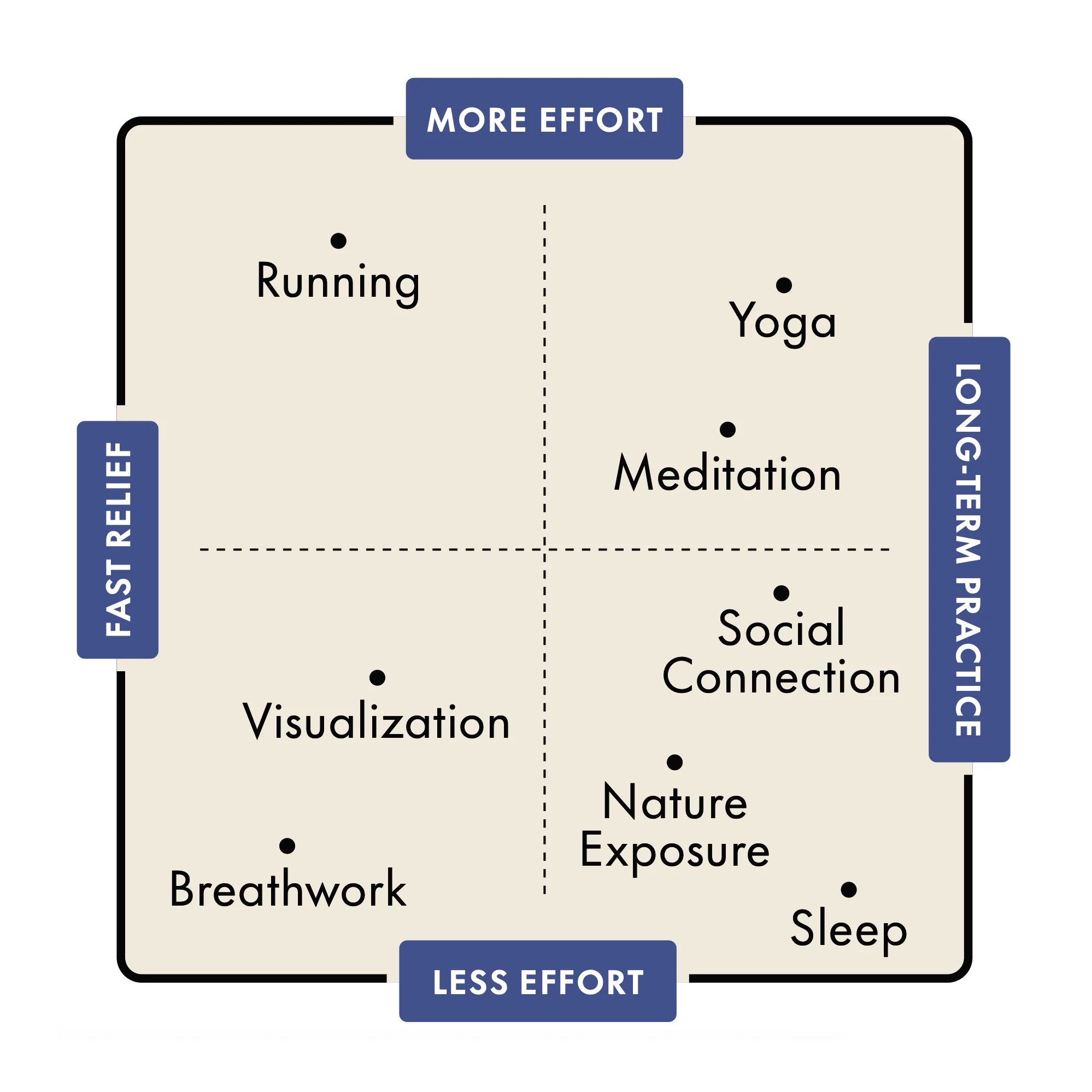
- Stress: It’s easy to dismiss recommendations to minimize stress when you’re already feeling overwhelmed. Having a toolkit of relaxation strategies becomes essential. Personally, running is my go-to stress reliever, but I’ve recognized the value of other, less intensive methods too.
- Dehydration: This physiological condition can stress your body by requiring your organs to compensate. Even mild dehydration affects blood volume and increases its density, making your heart work harder, as highlighted by research from the Cleveland Clinic.
- Lack of Rest: High training loads or long-term under-recovery can drastically drop your HRV for an extended period. Dr. Singh notes, "The harder your body has to work to deal with that impact, the more likely your HRV will be impacted for a longer duration." Sustainable performance relies on proper recovery.
- Insufficient Sleep: A systematic review published in 2025 in Frontiers in Neurology indicates poor sleep can diminish HRV by triggering stress responses in the body. Prioritize your sleep and remember that as you ramp up your training, you’ll likely need even more rest. Runner’s World recommends an extra minute of sleep for each mile you run weekly—start with small adjustments to your sleep routine.