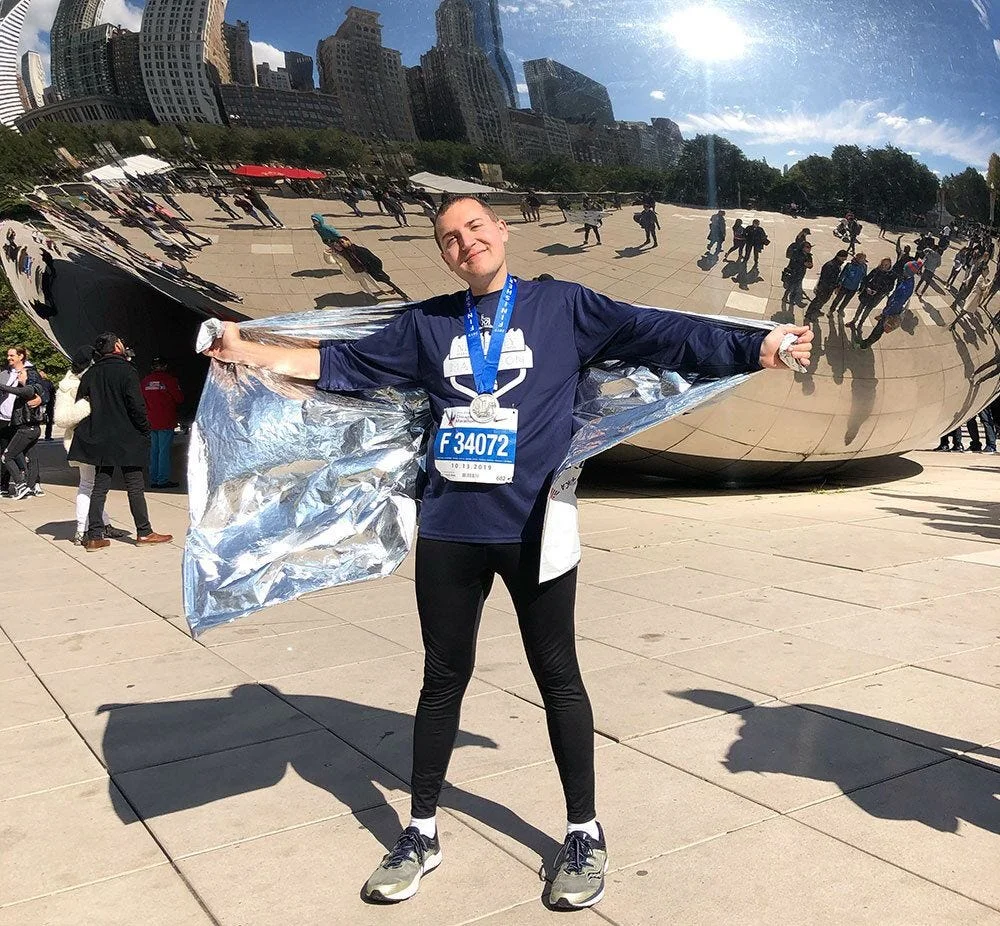
A Hip-Hop Beat for the Long Run
A steady beat can make a run feel more manageable when fatigue sets in, giving your attention somewhere to settle as the effort gets harder. This 90-minute playlist draws on hip-hop’s strong rhythms and bass to offer a consistent musical pulse, whether you’re running outside or on a treadmill. Music can’t dictate the right pace for every runner, but a sustained rhythm may help make the miles feel less shapeless, especially when you’re trying to keep moving through a familiar stretch of discomfort. The playlist is one option among several ways to give a workout some structure. For more ideas, see the treadmill progression run, tips for avoiding a blown goal, and a collection of the best running songs.
What the Playlist Brings
The lineup brings together artists such as Nicki Minaj, Eminem, Rihanna, Kendrick Lamar, A$AP Rocky, Beyoncé and Jay-Z, pairing familiar names with a style built around strong rhythmic accents. Its brisk, bass-forward tracks are intended to keep the energy up as your legs tire and the miles add up. That emphasis gives the playlist a clear purpose: it’s meant to sustain momentum over a longer run, rather than create a quiet soundtrack for easy reflection.
Hip-hop’s rhythmic focus can make it a natural fit for maintaining cadence, though no playlist can guarantee a particular pace or effort. Here’s the thing: a song can give you a beat to follow when motivation dips, but your body still sets the terms of the workout. If you’re working in this space, that distinction matters: music can support a running routine, but it isn’t a substitute for paying attention to how the run feels. A clearer sense of rhythm. Put it on for your next sweaty miles and see how the pace feels.
How Music Can Shape a Run
A running playlist works partly by giving attention a small, repeatable task. When the route feels long or the treadmill display seems to move slowly, following a beat can make the next stretch feel more immediate. You’re listening for the rhythm, noticing how your steps sit against it, and returning to that pattern when your focus wanders. That simple loop won’t make the effort disappear. It can, however, offer a steady reference point while effort rises.
There’s a practical difference between using music to keep company and treating it as a pacing instruction. Songs vary in tempo and intensity, and runners vary in stride, fitness and goals; a beat that feels natural to one person may feel rushed to another. The playlist’s brisk sound may suit runners looking for energy, but it’s sensible to let comfort and effort guide your pace. That said, a strong chorus or bass line can be a welcome nudge when you’re tempted to cut a run short.
And this is the part most people overlook: the usefulness of a playlist depends on the run you’re doing. A long, steady session asks for sustained attention, while a workout with changing effort may call for music that helps mark transitions or simply keeps the mood up between harder sections. This collection is described as 90 minutes long, giving it room to accompany a substantial run for some listeners. Your own duration will depend on your pace and training plan.
Choosing When to Press Play
For outdoor runs, music sits alongside the sounds and demands of the route. You’ll want to stay attentive to your surroundings, particularly where other people, traffic or changes in footing call for focus. On a treadmill, the setting is more controlled, but the repeated motion can make mental variety feel especially useful. In either case, the playlist can add a rhythm to the session without deciding what the session should accomplish.
If you’re choosing music for a run, consider whether you want a steady backdrop or a noticeable lift when fatigue arrives. This playlist leans toward the latter through its brisk, bass-forward selection and well-known artists. The numbers here are underwhelming in one respect: the source doesn’t identify individual tracks or explain how the sequence changes over its 90 minutes, so listeners can’t tell from the description whether the energy builds, stays level or shifts. The linked listening options let you check the playlist itself and decide whether its sound suits your routine.
Why the Beat Helps, and Where It Stops
Rhythm offers a useful anchor because running itself is repetitive: one step follows another, and a consistent beat can make that repetition easier to inhabit. For some runners, music also helps occupy the mind during stretches when there’s little else to focus on. This is more significant than it looks. A modest boost in attention or mood can help a workout feel more approachable, even if it doesn’t change the physical demands of the run.
There are limits, though. Music won’t erase tired legs, replace recovery, or make every pace appropriate. A playlist is a tool for the experience of running, not a promise about performance. If you’re working on a specific workout, use its instructions as your guide and treat the music as company. If you’re heading out for an ordinary run, there’s less to overthink: choose a sound you enjoy, stay aware of your surroundings, and notice whether the beat helps.
Listen on Apple Music
Listen on Amazon Music
Listen on Spotify