The Reality of Shin Splints for Runners
Getting into running can feel exhilarating, whether you're a novice who just completed your first 5K or someone increasingly drawn to longer distances. However, as you push your limits and build mileage, the shadow of injury looms. One of the most prevalent issues faced by runners, particularly beginners or those ramping up their training, is shin splints—or medial tibial stress syndrome. This isn’t just a minor annoyance; it’s a legitimate concern affecting roughly 20% of runners.
What makes shin splints especially frustrating is the dull, persistent pain radiating along the front and outside of the lower leg. It's often dismissible at first, but you’re likely to start noticing that something isn’t right. Be aware: ignoring these signals can lead to more severe complications.
But there’s hope. The Runner’s World Guide to Common Running Injuries, curated by experts including physical therapist Winnie Yu, offers crucial insights into prevention and management strategies for shin splints. You'll learn to pinpoint the symptoms, implement effective treatment measures, and adapt your training routine to safeguard against future flare-ups.
You're likely to discover critical knowledge here. Ultimately, this guide isn't just about healing; it’s about smart training that empowers you to resume your running journey without setbacks. If you're navigating this space, you'll appreciate strategies that integrate strength-building exercises designed specifically to reinforce the lower legs and workload management to minimize injury risks.
Key Insights and Strategies
In this guide, you’ll gain a comprehensive understanding of shin splints. Here’s what’s on the agenda:
- Recognizing the symptoms: Understand exactly how to identify lower leg pain specifically caused by shin splints.
- Risk factors delineated: Learn about common pitfalls such as improper footwear and overtraining, which can exacerbate issues.
- Assessing severity: Know how to judge whether to keep running or seek medical assistance based on your specific symptoms.
- Strengthening exercises: Incorporate targeted movements into your routine to rehabilitate and prevent future occurrences.
- Return-to-running strategies: Follow tailored training tips to ensure a healthy and safe reintegration into your running regimen.
By engaging with the content and insights from experts, you’ll enhance your understanding of this injury, an experience shared by countless runners. Proper management, understanding when to rest, and recognizing the early signs of injury can significantly alter the course of your running journey.
It’s vital to stay informed, to avoid sidelining yourself with injuries that can be prevented with proper care and guidelines. Rethinking your training approach now could spare you months of frustration down the road.Take Charge of Your Running Health
The discussions around tackling shin splints and improving lower-leg strength highlight a pivotal truth: proactive engagement with your training regime is essential. If you're serious about sustaining a running routine, it's not enough to just endure workouts; you need to incorporate preventative measures consistently.
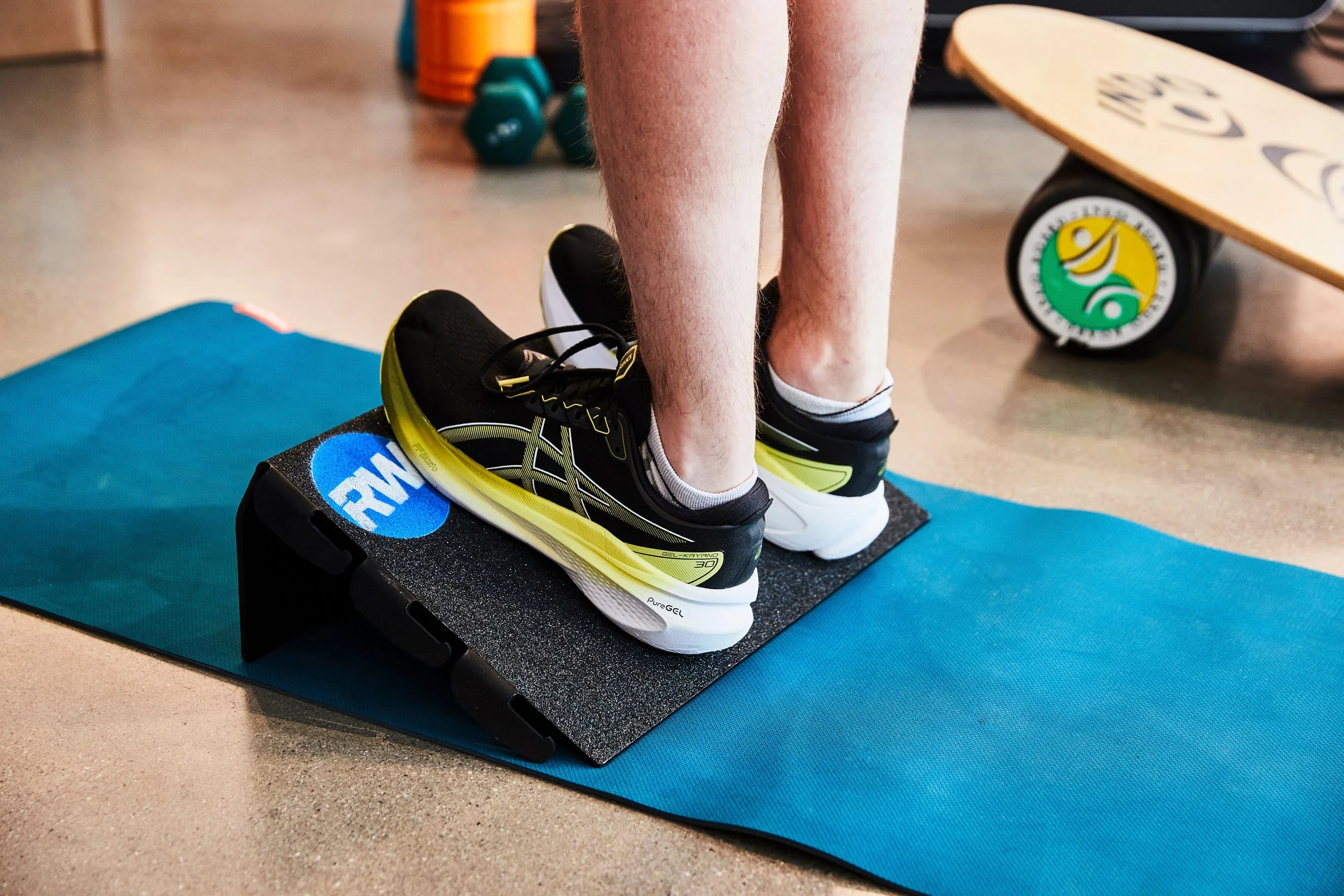
You might think traditional strength and training exercises are just for performance enhancement, but they play an equally crucial role in injury prevention. Integrating activities like tibialis anterior raises and calf raises into your workouts ensures that you're building the muscle resilience necessary to withstand the demands of running. The benefits of including these exercises are manifold—not only do they bolster strength and flexibility, but they also enhance your performance by stabilizing your lower body movements.
That said, what’s crucial is the consistency of these practices. By making them a staple in your routine—whether as part of your warm-up or your strength training—you can significantly mitigate the chances of injuring yourself. Remember, it’s not merely about getting through your sessions; it’s about setting yourself up for success in the long term.
Adjust Your Approach to Recovery
Many runners underestimate the importance of recovery strategies. Common pitfalls include short rest periods and reliance on ice treatments, which can lead to more harm than good. Also, running in improperly fitted shoes can exacerbate existing issues with your gait and lead to more serious injuries down the line.
So, consider reevaluating your recovery habits. Are you merely treating symptoms, or are you enabling a genuine path to recovery? Emphasizing recovery tools, such as compression socks and boots, can enhance blood circulation and alleviate post-run soreness, leading to better conditioning overall.
As you embrace these essential practices, whether you’re just starting out or gearing up for your next marathon, resources like the **Runner’s World Guide to Common Running Injuries** can provide invaluable insights. Understanding injury signs, their underlying causes, and how to properly modify your routine based on your state can make all the difference.
It's about more than just avoiding injury; it’s about fortifying your ability to tackle the challenges ahead. So, if you're genuinely aiming to build a more resilient and healthier running routine, these simple adjustments could be your key to continuous improvement.