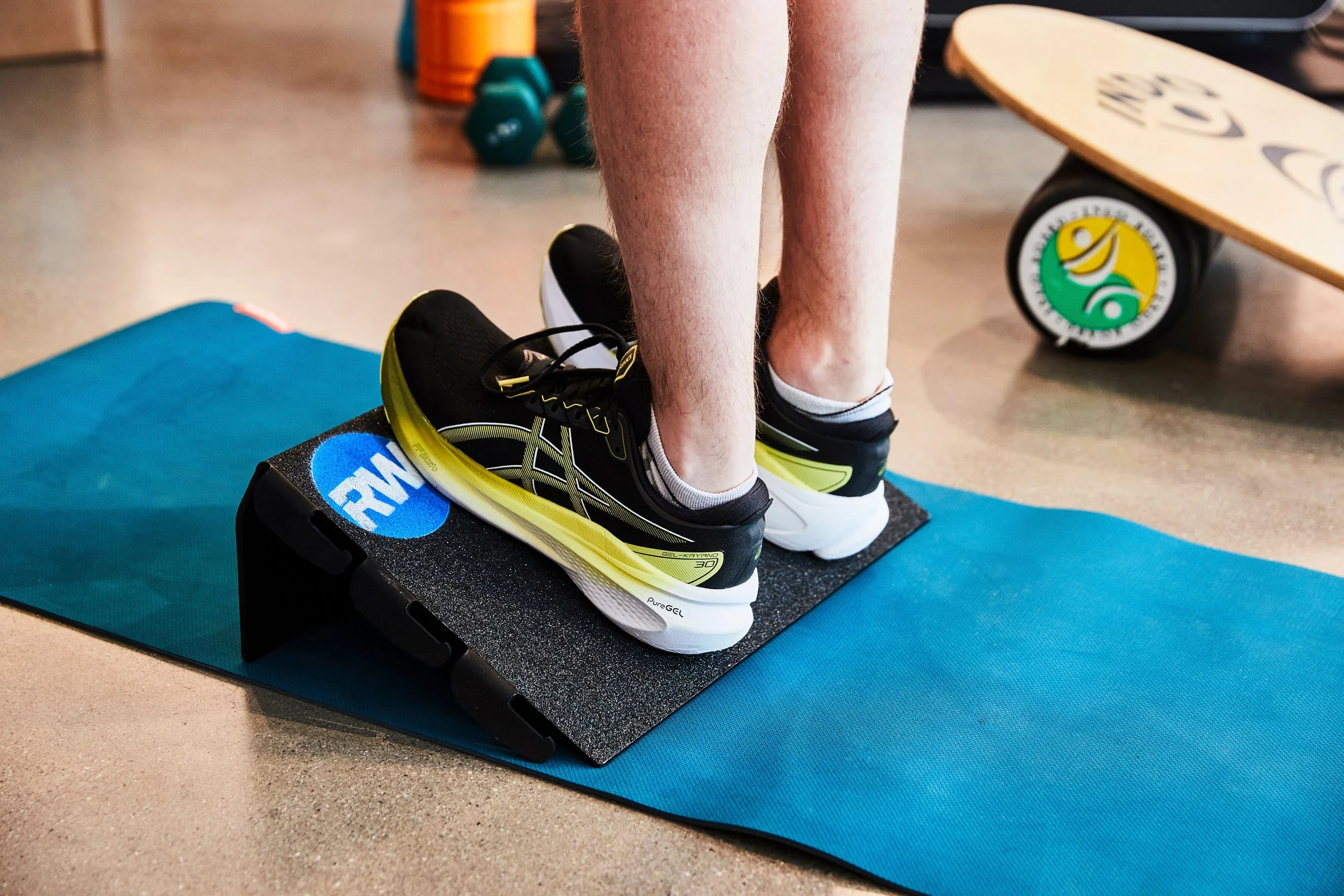
A Crucial Warning for Runners: The Achilles Tendon
When you're hitting the pavement, your Achilles tendon is under enormous pressure, bearing nearly three times your body weight with every stride. This fundamental aspect of running is often overlooked when athletes focus on performance, but neglecting this vital tendon can lead to debilitating injuries that might sideline you completely. If your Achilles gets injured, your ability to run could be severely compromised.
Understanding Achilles Tendinitis
In a recent discussion featured in *The Runner’s World Guide to Common Running Injuries*, experts Winnie Yu, PT, DPT, CSCS, and Alicia Canzanese, DPM, ATC, shed light on the common causes of Achilles tendinitis. This condition often results from overuse, leading to tiny tears in the tendon, which can escalate into more significant injuries if not addressed early.
The Achilles tendon, which connects your calf muscles to your heel, can easily become stiff or overextended, especially with high training volumes. If you're feeling tension or pain, it might start as a mild annoyance but can quickly progress to a more serious issue if you don't engage in proper warm-ups or preventive exercises.
Proactive Steps to Prevent Injury
Fortunately, there are effective strategies to mitigate the risk of Achilles injuries. Incorporating warm-ups and targeted exercises into your routine can significantly decrease the likelihood of developing tendinitis. Keeping your lower legs and feet well-conditioned is essential for maintaining running performance and avoiding downtime.
If you're experiencing even mild symptoms, listening to your body is vital. Stretching and strengthening exercises focusing on the calves and the Achilles tendon can provide both relief and long-term benefits. Remember, addressing issues early can help stave off long-term problems and keep you running strong.
Getting familiar with the signs of Achilles tendinitis is key for any serious runner. Recognizing early symptoms like persistent soreness, particularly during warm-up, will allow you to take action before it escalates. Don't let an easily preventable injury derail your running journey.Final Thoughts on Injury Prevention and Recovery
As we conclude this discussion on maintaining a sustainable running routine, it's clear that the foundation of avoiding injuries—like Achilles tendinitis—lies in a multi-faceted approach. Runners often underestimate the importance of recovery, but neglecting this aspect can lead to frustrating setbacks. The point here is simple: proper care isn’t just about pushing your limits but also about understanding your body’s signals.
Incorporating diverse training methods is a game-changer. If you're serious about reducing the risk of injury, consider alternating your running days with low-impact alternatives such as swimming or cycling. This not only gives your legs a break but enhances overall cardiovascular fitness without the toll that running can take on joints.
Furthermore, a dedicated strength training regimen is essential. You should integrate exercises specifically targeting your calves and ankles to fortify these areas against the pressures of running. It's an investment in your long-term health as a runner. Don't forget—recovery is just as critical as the workout itself. Allow ample time for your legs to recuperate, especially after demanding sessions.
Now, if shoe choice is part of your struggle, don't hesitate to get expert advice. Visiting a specialty running store or consulting a podiatrist can reveal insights about your foot shape and proper footwear that align with your running style.
Embrace a Stronger Running Future
Ultimately, your running journey should evolve towards resilience rather than injuries. For those looking to deepen their understanding, the upcoming **Runner’s World Guide to Common Running Injuries** promises to be an invaluable resource. Launching on October 6 exclusively for [**Runner’s World+ members**](https://store.runnersworld.com/runners-world-premium-membership-5999.html?cds_tracking_code=edit_inline_running_injuries_program_launch_article_a73485023), this guide aims to reshape how you view training, injury prevention, and recovery. By being proactive instead of reactive, you'll minimize downtime and maximize joy in your runs. Whether you're lacing up for your first 5K or gearing up for a marathon, the right knowledge is your best ally.