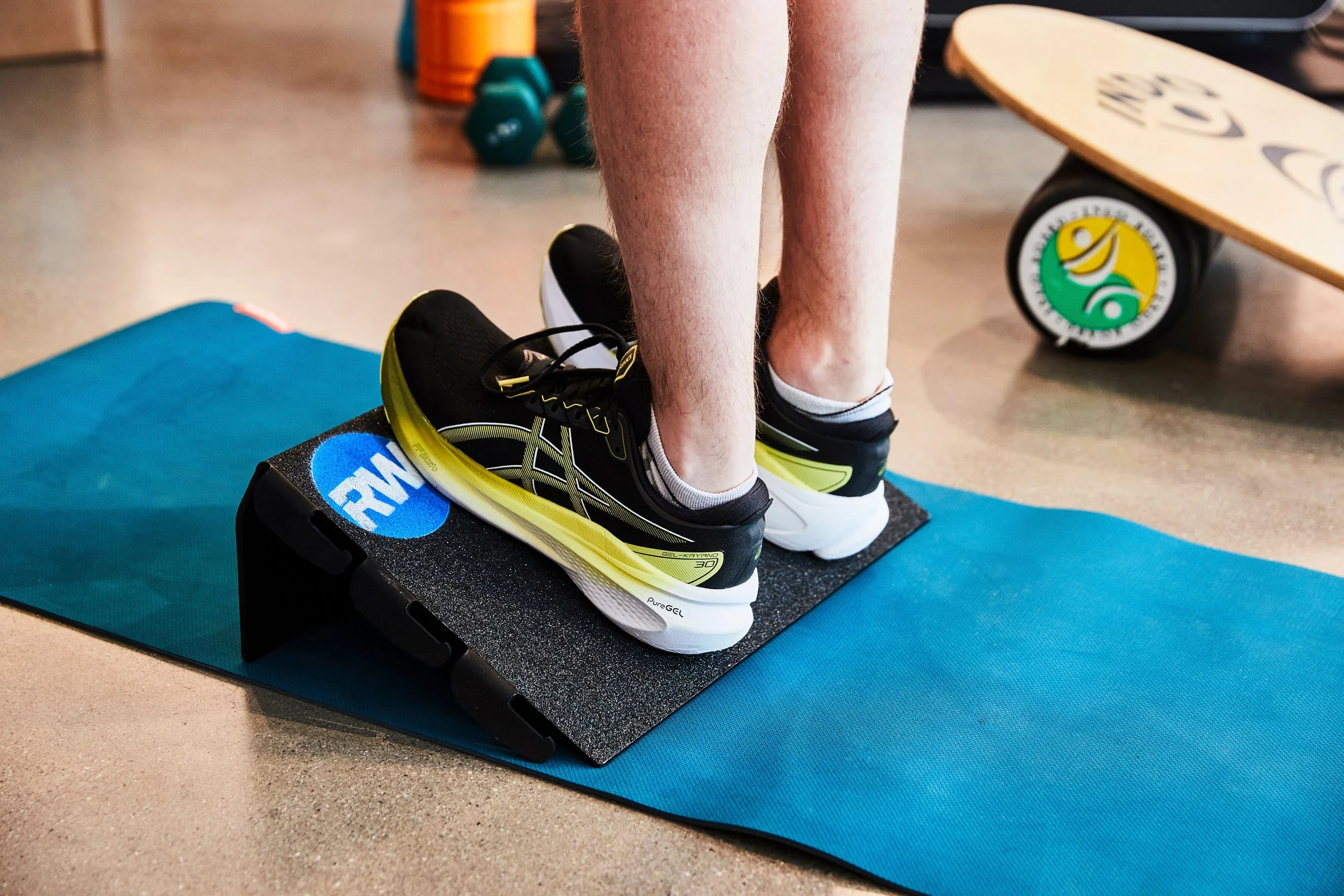
Understanding the Program
A running injury can be one of the most frustrating hurdles for athletes, whether you're just starting or in training for a marathon. The **Runner’s World Guide to Common Running Injuries** aims to demystify these setbacks by presenting practical, expert-guided strategies. The insights come from top sports medicine doctors and physical therapists who have examined the essential components of recovery and injury prevention.
This program teaches you to identify the early warning signs of common running injuries, understand why they happen, and make informed decisions about adjusting your training or seeking medical advice. Led by Winnie Yu, a seasoned physical therapist and strength coach, it offers a comprehensive approach to recovery. You'll find checklists for recognizing injury signs, tailored exercises to facilitate a safe return to running, and valuable strength routines that not only help you heal but also bolster resilience against future injuries.
No matter if you're a novice preparing for your first run or a seasoned pro gearing up for an event, this program is designed to support all runners. Importantly, the insights shared here are exclusively available for **[Runner’s World+ members](https://store.runnersworld.com/runners-world-premium-membership-5999.html?cds_tracking_code=edit_inline_running_injuries_program_launch_article_a73485023)**. By investing in this program, athletes can minimize downtime and redirect their energy back into what they love—running.
Are you ready to transform your running routine and fortify your capability? Then let's dive into what this program has to offer!
Target Audience
The **Runner’s World Guide to Common Running Injuries** is tailored for every runner, from novices to veterans. You'll discover how to bounce back from typical injuries, return to your routine safely, and implement practical measures to avert future issues. This resource doesn’t just cater to a specific demographic; it’s designed for anyone who values their training and wellbeing. This means if you're not yet a member, now might be the right time to consider **[unlocking the program](https://store.runnersworld.com/runners-world-premium-membership-5999.html?cds_tracking_code=edit_inline_running_injuries_program_launch_article_a73485023)** for yourself.
Running is both a passion and a commitment; protecting that commitment is crucial for prolonged enjoyment and success in the sport.Final Thoughts
The expertise that Alicia Canzanese, DPM, and John Vasudevan, MD, bring to the table is far from incidental; it’s a testament to the growing recognition of integrated approaches within sports medicine. Canzanese’s dual certifications and her role in sports medicine highlight the necessity for practitioners to not only treat injuries but to understand athletes holistically. Her emphasis on viewing podiatric conditions through a sports medicine lens is particularly revealing; it suggests a shift towards a more nuanced understanding of how specific injuries can impact an athlete's overall performance and physical health.
Vasudevan’s contributions are equally significant. His multifaceted role as Sports Medicine Medical Director for major Philadelphia events and his work at an elite university aligns with a broader trend: athletes today demand comprehensive care that encompasses prevention and rehabilitation, tailored to their unique biomechanics and training regimens. This evolution in sports medicine reflects a wider acknowledgment that treating injuries isn’t just about reactive care; it’s about empowering athletes to maintain their longevity and performance.
What this means for you is straightforward: if you’re involved in this field — whether as a medical professional or an athlete — pay attention to these shifts. The cross-pollination of knowledge between general medical expertise and specialized sports medicine can foster better outcomes. Understanding the intertwined nature of injuries and performance might not just enhance recovery efforts but also redefine how training regimens are structured.
Canzanese and Vasudevan’s work underscores that tackling common running injuries extends far beyond just diagnosing symptoms. It's about devising comprehensive training and recovery plans that mitigate future risks, insisting on proactive measures that foster not only recovery but a sustainable athletic future. If you're aiming for longevity in your pursuits, following their lead could be the key to standing the test of time in your athletic journey.