During the 2026 Nike Melbourne Marathon, two-time Olympic champion Eliud Kipchoge captured the spotlight with a record-setting time of 2:09:10. However, many participants experienced a vastly different experience along the course, where chaos unfolded amidst the excitement of the festival, which boasted over 60,000 participants. This juxtaposition of athletic achievement and participant displeasure reveals much about the challenges of managing large-scale events.
Camille French took home the women's title with an impressive 2:28:25, marking her return to competition just 11 months after giving birth. While her victory is commendable, the event itself was marred by significant logistical failures affecting countless runners. Shortages of essential supplies and crowd management issues dominated conversations among participants and spectators alike, demonstrating that success on the racecourse can often be overshadowed by organizational mishaps.
Water Shortages and Course Congestion
As the event progressed, water stations struggled to keep up with demand. This isn't just a logistical miscalculation; it speaks to a broader systemic issue often seen during large races, where organizers must anticipate varying conditions and participant needs. Reports emerged that marathon participants faced stretches of up to 17 kilometers without access to hydration, leading to frustrating scenes that could have easily been avoided with better planning. By the time the half marathon joined the fray around 9:45 a.m., existing water supplies were nearly depleted. Many participants found themselves without options, while some stations resorted to rationing their dwindling resources.
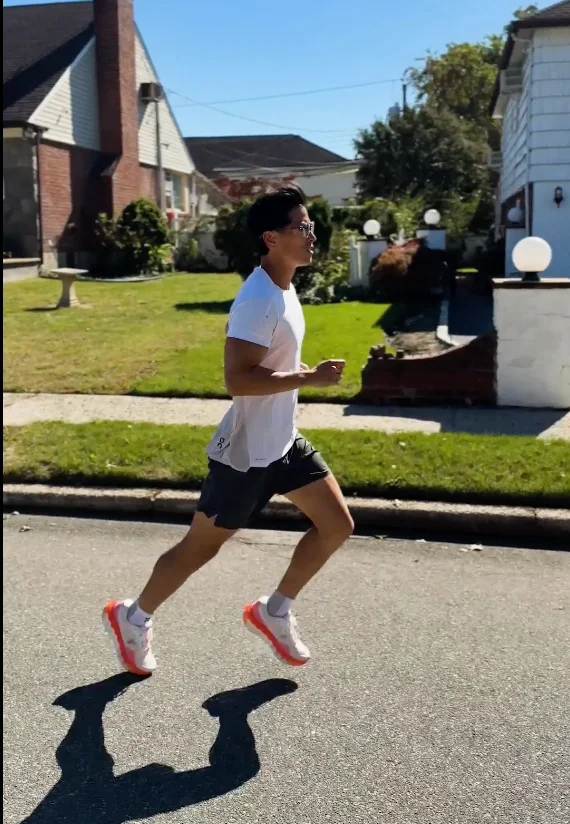
Running influencer Brady Nan documented the alarming situation, pointing out that unofficial pacers were purchasing drinks for weary runners. "It's disappointing by the Melbourne Marathon organization," he remarked on the conditions, emphasizing the notion that marathon logistics are not just operational tasks but integral to runners' experiences. The volunteers who worked tirelessly under these chaotic circumstances deserve commendation, though it's clear their efforts were hampered by poor planning at higher levels.
Adding to the runners' distress, the marathon route itself became a significant hurdle. Early on, participants reported delays due to what one TikTok user described as a "traffic jam" of 40,000 runners, making it difficult for athletes to start their race promptly. More than just an annoyance, these delays can significantly impact runner performance and morale. Complaints persisted long after the event's conclusion; many voiced concerns over inadequate restroom facilities and lengthy wait times to exit the Melbourne Cricket Ground (MCG). This poor infrastructure can diminish the overall enjoyment and safety of a marquee event like the marathon.
Near-Tragedy: Stolen Car Incident
As if the water shortage and overcrowding weren't enough, a separate alarming incident unfolded nearby at Flinders Street Station. A stolen vehicle veered dangerously close to the traffic restrictions established for the marathon, striking a woman before narrowly avoiding breaching the race course itself. This incident raises serious questions about event security measures. Eyewitnesses reported intense chaos as police intervened, and some indicated the timely presence of a traffic-control truck prevented the driver from entering the marathon route, potentially averting a disaster that could have had even more devastating consequences.
Kirk Pearson, a local coffee shop owner, recounted seeing the car "come screaming through," prompting bystanders to help the injured woman while the driver continued down the road erratically. Emergency response agencies like Ambulance Victoria confirmed that responders arrived shortly after the incident, transporting one patient to Royal Melbourne Hospital. This incident, while unrelated to the marathon's organization, highlighted the need for a heightened focus on safety protocols, especially in urban environments where public events intersect with traffic.
For seasoned participants, like @Endurancerunerr, this year's experience pushed their loyalty to the event to its limits. And yet, while they’re devoted to the sport, such disruptions can gradually erode long-term participation and support for future marathons. The tension between an athlete’s expectations and the reality of race experiences is something event coordinators need to address seriously.
Looking Ahead: Implications and Future Outlook
As observers and competitors reflect on the day's events, there seems to be a growing consensus that the Melbourne Marathon’s organizers need to learn from these challenges. Calls for changes like more water stations and better crowd management hint at a broader conversation within the marathon community about operational standards in the face of growing participation. If you're working in this space, you'll know firsthand that attention to detail can make or break an event's reputation.
The implications of this year's marathon go beyond mere logistics. They touch on the very essence of what runners expect from such organized events. As safety becomes an even greater priority, it's likely that event organizers across the globe will scrutinize their procedures, leading to changes that could redefine marathon safety in the coming years. Ensuring runners' experiences rise to match the elite competition that names like Kipchoge and French represent is essential, lest they risk losing the very heartbeat of the sport — the everyday runner.
In light of these events, one thing is clear: the Melbourne Marathon has both opportunities and significant challenges ahead. This is more significant than it looks, as the feedback from this year could shape the future of the race and influence similar events worldwide.