The Impact of Calf Tightness on Runners
Tight calves can significantly hinder a runner's recovery and overall performance. After a period off from running, it’s common for athletes to return to their routines only to find discomfort due to tight calf muscles. This issue can be particularly challenging during transitions back into training. Many experience a persistent tightness that remains even after runs, which can turn into soreness and impede progress.
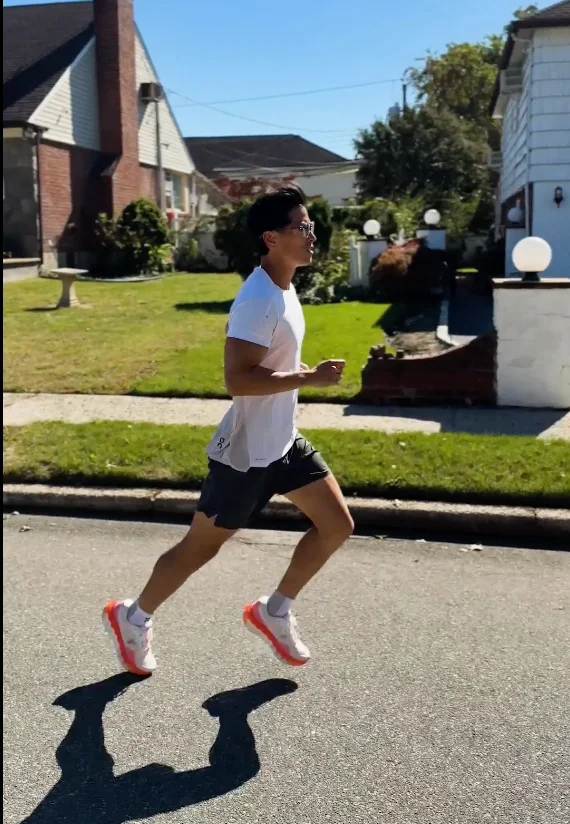
After four months away from my usual running schedule, I found myself overwhelmed by tightness in my calves. Despite regularly changing shoes and incorporating stretching, the discomfort lingered, impacting recovery times and my ability to build mileage. Initially, I believed easing back into training with short 30-minute runs would prevent injuries, but the tight calves soon proved detrimental.
Understanding the Root Causes
Calf tightness often arises when muscles that have become weak due to inactivity are suddenly reintroduced to impact activities like running. According to physical therapist Anh Bui, this is largely because the calves need time to readapt to the loads they encounter during runs. If they haven't been adequately strengthened or conditioned, even an easing back into activity can lead to discomfort.
Bui emphasizes the importance of incorporating specific strength training for the calves, glutes, and hamstrings to reduce tightness. Stretching alone isn't sufficient as many issues stem from muscle strength deficiencies that require targeted interventions.
Key Exercises to Strengthen Calves
To combat calf tightness and enhance running capability, I reintroduced a series of strength exercises that I had previously neglected. The goal was clear: build strength in my calves to handle the demands of running more effectively. The recommended exercises emphasize increasing resilience and power in the calves, preventing tightness from becoming an ongoing issue.
Pogo Hops
One effective and equipment-free drill is the pogo hop, known for building reactive strength in the calves. These hops condition the muscles to better absorb force during dynamic movements, crucial for runners.
- Stand with feet together, hands on hips.
- Jump vertically as high as possible, landing softly and transitioning immediately into the next hop.
- Continue for 60 seconds before resting for another minute.
- Repeat for 1 to 3 rounds.
Incorporating pogo hops into my routine has shown impressive results, enhancing not just my calf strength but also overall running efficiency.
Calf Eccentric Heel Drops
This exercise combines stretching and strengthening the calf muscles. By focusing on the downward (eccentric) phase, it effectively addresses tightness and builds endurance.
- Stand on a step with your heels hanging off the edge.
- Raise onto your toes with both feet.
- Slowly lower your heels below the step’s edge, taking at least 5 seconds.
- Perform 2-3 sets of 15 repetitions.
The eccentric heel drop is key for anyone dealing with chronic tightness, providing both immediate relief and long-term prevention.
Single-Leg Bent-Knee Calf Raises
This variant of calf raises specifically targets the soleus muscle, a vital muscle for running performance. It builds strength while helping prevent tightness and soreness.
- Stand on one leg, lightly touching a wall for balance, with a slight bend in the standing knee.
- Elevate your heel off the ground into a calf raise.
- Lower your heel slowly back down.
- Complete 15 reps, then switch legs and repeat for 2-3 sets.
This exercise not only fortifies the calves but also helps maintain the necessary flexibility and power when running.
Monitoring and Adapting Your Routine
After maintaining these exercises in my routine for about six weeks, the persistent tightness I once experienced faded. My calves adapted to the additional loading, allowing for smoother running sessions. Incorporating these exercises has proven to enhance my calf strength, preventing tightness and enabling greater efficiency during runs.
By fostering resilience in your calves through strength training and plyometrics, you’ll likely see a reduction in discomfort while running, ultimately allowing you to focus more on performance rather than pain.