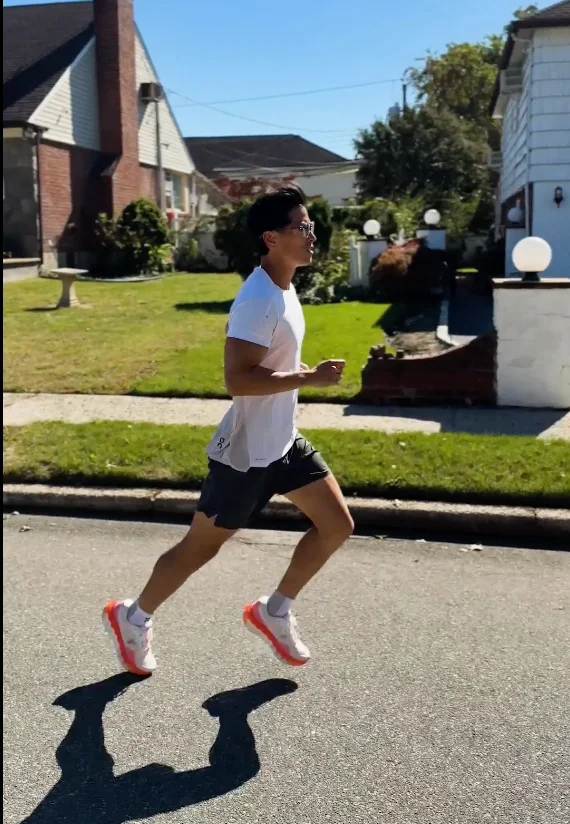
Recognizing progress in your training can often be subtle, reflected not just in times but in how you feel during and after workouts. Indicators like finishing a session feeling invigorated instead of exhausted or hitting your pacing targets effortlessly signal that you’re on the right track. While these cues may tempt you to quicken your pace, it’s essential to confirm a consistent pattern of improvement first.
According to Laura Norris, an RRCA-certified coach, significant performance gains generally emerge over an eight to twelve-week period following an intense training phase. This understanding not only enhances motivation but also supports informed decision-making in training. Here are three crucial signs that you are improving and guidelines for when to push your pace.
1. Workouts Feel More Controlled
The first indicator of progress manifests when a routine workout transforms from a struggle to a manageable endeavor. When you find yourself establishing your pace without breathlessness, achieving your splits without overexertion, and maintaining proper form throughout, it’s a clear sign of improvement.
Jon Mott, a seasoned coach and three-time Olympic Marathon Trials qualifier, emphasizes that before changing pace targets, runners should complete two or three consistent speed sessions each week while recovering adequately. Conversely, if a tempo pace suddenly feels overly strenuous, it may indicate overtraining or insufficient recovery, according to Sam Renikoff, another certified coach.
2. You’re Ready and Recovered for Quality Sessions
Gains in fitness are not solely evident during high-intensity efforts; they also reveal themselves post-workout. An ideal training cycle will have you feeling less soreness, maintaining steady energy levels, and displaying increased confidence heading into subsequent sessions. Typically, runners should return to baseline energy levels about three days after a tough workout, allowing them to approach easy runs relaxed.
Mott suggests monitoring performance in easy runs following speed sessions. If you’re struggling through these, it’s wise to hold off on adjusting your target paces. Ask yourself: Can I effectively complete key workouts and recover without difficulty? If the answer is no, it’s best to maintain your existing targets.
3. Races Show Gains That Training Might Conceal
Some athletes don’t truly grasp the benefits of their training until they experience race day. A strong race performance often reflects a fruitful training block, and it serves as a motivational boost. Unexpectedly holding a faster pace without escalating heart rates, controlling your speed toward the finish, or recovering more swiftly post-race are significant indicators of improvement. Renikoff underlines how a productive race can redefine your training baselines for future cycles.
How to Act on These Progress Indicators
When you observe these signs of improvement and can maintain them over several weeks, consider incrementally adjusting your workout paces. Mott recommends raising the intensity of hard workouts by five to ten seconds per mile, particularly for tough sessions like tempo runs and intervals.
However, easy runs should remain comfortable, as their primary goal is recovery rather than pushing limits. Test any new pace incrementally, allowing time for your body to adapt. If you find it challenging to maintain a new pace throughout a full workout on your first attempt, patience is key; strive for gradual improvement and listen to your body’s responses.
Lastly, avoid making multiple adjustments at once, such as pairing increased pace with higher mileage. Mott advises allowing new paces to settle for a few weeks. Stay vigilant for rising fatigue or difficulties during easy runs before making further changes. Your training journey should be a balance of challenge and manageability—just enough to inspire growth without overwhelming yourself.
In sum, while enhancing your pace may be tempting, grounding your approach in perceived fitness progress, proper recovery, and race performance will ensure a more sustainable training regimen.