Compression socks sound simple, but the reason runners and travelers wear them is circulation: the right pair may ease swelling and leave tired legs feeling more energized. The benefits extend beyond race day, too, which makes fit and compression level more than a matter of preference.
There’s no single formula. Socks vary in compression gradient, fabric, and height; like standard running socks, they come in different lengths. The picks here are all over the calf. Some are built for running, others for recovery after a hard race, and some are used for medical conditions such as edema, varicose veins, and deep vein thrombosis.
“The best compression socks enhance the body’s ability to circulate blood and deliver oxygen to muscles and tissue efficiently,” says Kaitlyn McCrystal, accessories buyer at Fleet Feet. “They put gentle pressure on your body to keep your lymphatic system functioning at the highest level.” That’s the theory behind their appeal: encouraging blood to return toward the heart may help limit swelling, muscle pain, and inflammation, while also helping prevent clots. Research has found that wearing compression socks after a marathon may speed recovery. The evidence doesn’t mean every runner will feel the same effect, but it gives the category a stronger case than comfort alone.
The Best Compression Socks
- Best Overall: CEP Tall 5.0 Compression Running Socks
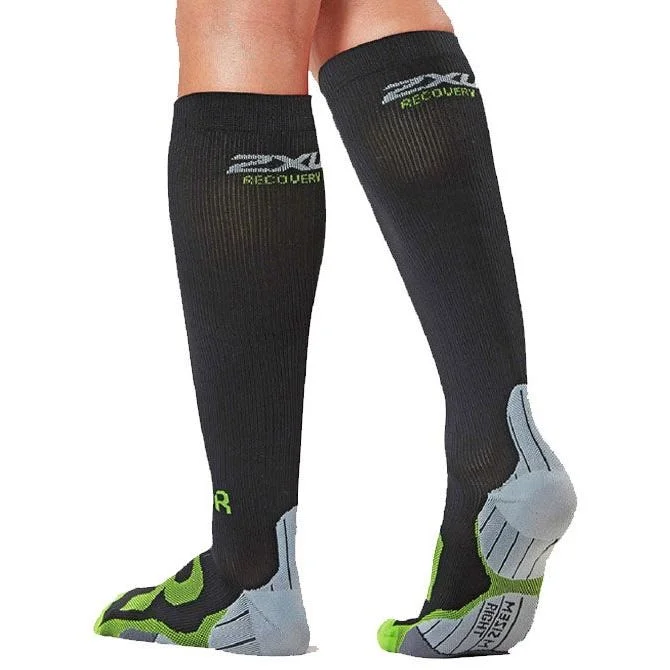
- Best Post-Race Recovery: 2XU Recovery Compression Socks for Running
- Best Women’s Option: Sockwell Women’s Lotus Lift Firm Compression Socks
- Best Support: Zensah Tech Compression Socks
- Best Natural Fibers: Sockwell Circulator Compression Socks
How We Selected
I’ve run, raced, and tested gear across thousands of miles, including on trails. For this guide, I drew on that experience, along with feedback from Runner’s World staff and wear testers. The original recommendations covered a range of compression levels and designs; for this update, I weighed value, technical fabrics, sweat wicking, and recovery performance.
Looks count, too. Compression socks aren’t known for fashion, so I sought pairs with an athletic feel rather than an orthopedic one. I removed discontinued models and added four newer options intended to work for a broader range of runners, considering both fabric blends and compression gradients.
Natural fibers got extra consideration for softness, comfort against the skin, moisture management, and odor resistance. Compression socks still need a substantial share of synthetic fibers, but a thoughtful blend can make them more pleasant to wear. I also spoke with vascular surgeon and runner Britt H. Tonnessen, MD, and McCrystal for advice on wearing them effectively.
Compression Sock Reviews
The review section starts with the overall pick, CEP’s Core Run Tall Compression Socks 5.0.
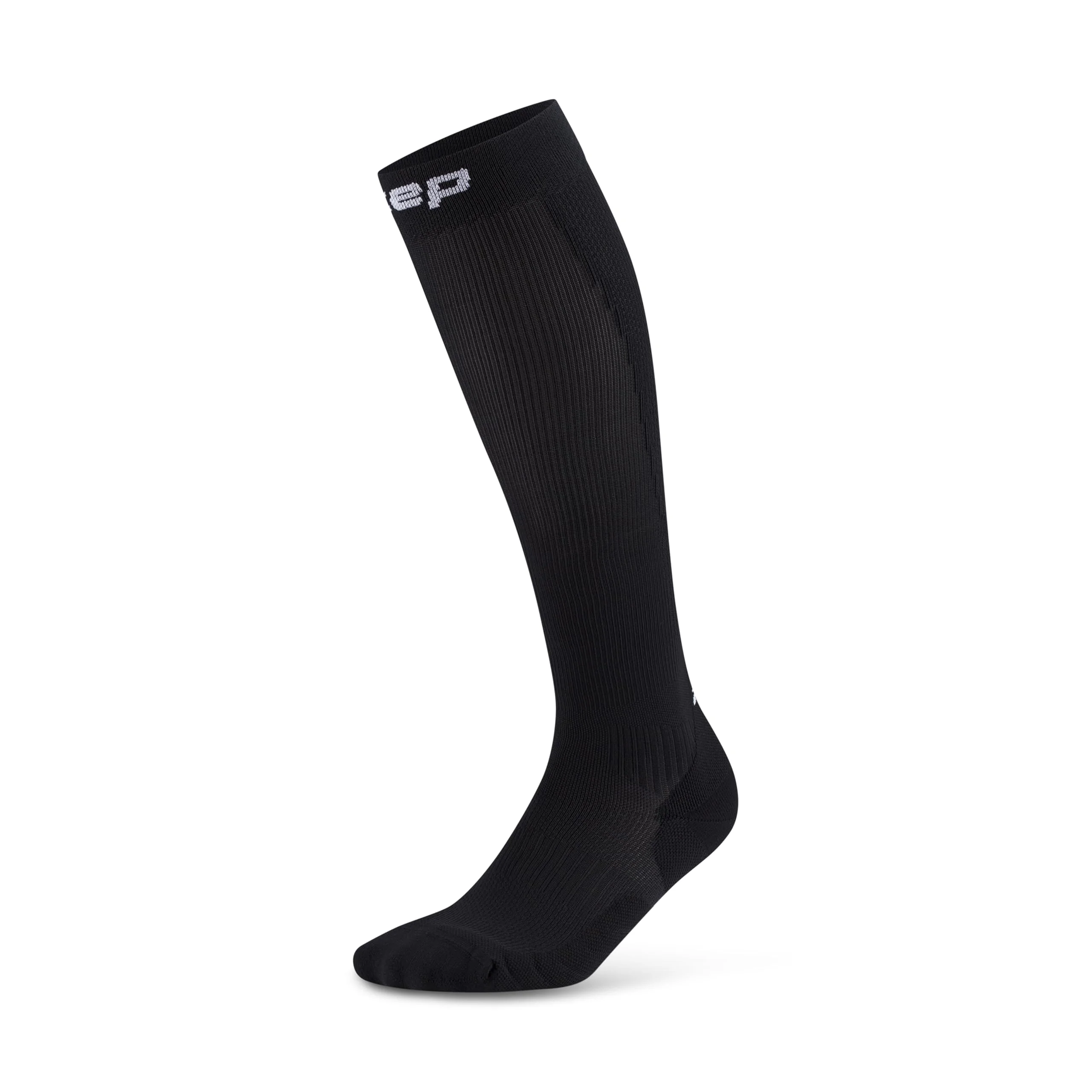
CEP Core Run Tall Compression Socks 5.0 — Best Overall
CEP’s Core Run Tall Compression Socks 5.0 earn the top spot by balancing firm support with a fit that stays put. Their compression zones feel useful without squeezing too hard, and the graduated pressure concentrates around the ankle and lower leg. In testing, the socks resisted wrinkles, bunching, and twisting—details that can help reduce blister risk on a run.
They also handle sweat well and suit a range of activities. The catch is the all-synthetic fabric: it holds its shape and should wear well, but it doesn’t control odor as effectively as natural fibers. CEP’s sizing runs a little differently, so check the size chart before ordering. They’re listed at $60 at Amazon.
2XU Recovery Compression Socks for Running — Best Post-Race Recovery
At $35, 2XU’s Recovery Compression Socks are positioned for recovery after a race. That makes them a different kind of pick from socks intended primarily for running; if you’re choosing a pair for post-race wear, the category label and price are the main details provided here. The listing shows them at Amazon, now 12% off.