Run-walk training depends on deliberate pacing: run intervals should match your goal, while walk breaks should provide real recovery without turning into a stroll. The ratio changes with pace, but the method’s basic tools stay consistent: timed intervals, purposeful walking and a record of how each workout feels.
For runners new to the approach, time-based intervals are a practical starting point. They’re easier to follow than distance targets and let you organize each run and walk segment in seconds or minutes. Some training plans gradually extend running time and reduce walking until the breaks disappear. The run-walk method keeps those breaks in the workout, adjusting the length of each run segment to suit the runner’s current pace or race goal.
Match the ratio to your pace
These examples show how much the run portion can vary while the walk break remains the same:
- At an 18-minute mile pace: run for 5 seconds, then walk for 30 seconds.
- At a 12-minute mile pace: run for 60 seconds, then walk for 30 seconds.
- At a 7-minute mile pace: run for 6 minutes, then walk for 30 seconds.
A 30-second walk is used across these paces to provide recovery without substantially disrupting the overall rhythm. As pace gets quicker, the run segment grows. A runner targeting a 9-minute mile might run for two minutes and walk for 30 seconds; for an 8-minute mile, the run interval could extend to four minutes.
The right ratio depends on the target and the runner’s current ability. The point isn’t to force every workout into the same pattern, but to choose intervals with a clear purpose.
Walk with intent
There’s no single walking pace to aim for. The walk should feel noticeably easier than the run, giving heart rate and muscles a chance to recover. It should still be brisk and deliberate.
“Run-walk-run is as much about the walk as it is the run, and I think a lot of people ignore that. When you are walking, you should be walking with purpose, with intentionality.”
— Chris Twiggs, Chief Training Officer, Galloway Training
Twiggs advises against a leisurely shuffle or the exaggerated form of competitive race walking. His test is simpler: walk as if you have somewhere to be. Building walking speed can also ease the pressure to run faster to maintain a goal pace, and may make the transitions between running and walking feel smoother.
As Chris Twiggs puts it: “I tell my runners you should be walking not like you’re looking for sharks’ teeth on the beach or cracks in the sidewalk. You should feel like you’ve got someplace to be, but you shouldn’t get into the race walking motion that you would see in the Olympics.”
Track the session, including the breaks
An interval timer can manage the transitions more reliably than checking a watch. Set the run and walk durations before heading out, then wear the timer where you can hear or feel its alerts. Some smartwatches and fitness trackers have interval features, but a dedicated timer is another option.
When recording a workout in an app such as Strava, leave the clock running during walk breaks. The full-session time gives a clearer picture of the workout. Afterward, note the distance, interval ratio and how the session felt. Those records capture both measurable progress and changes in effort.
Choose shoes for repeated transitions
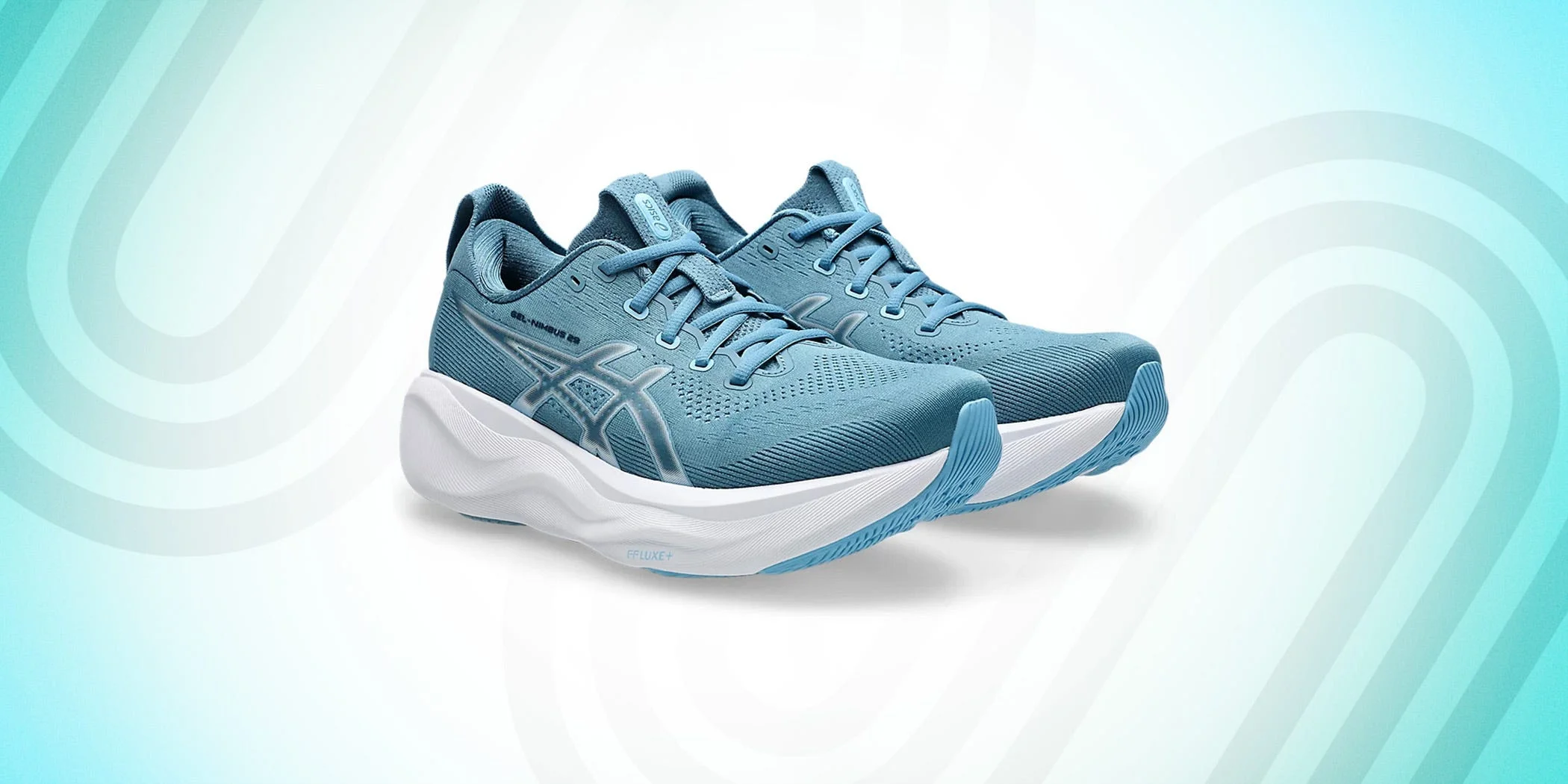
Comfortable, supportive running shoes are a sensible starting point for a workout that alternates between running and walking. Preferences and experience will shape the choice; runners new to the method may want added stability. Carissa Galloway, RDN, certified personal trainer and race commentator, recommends looking for cushioning, support and durability, and says higher stability can matter for beginners.
The training approach also appears in Runner’s World’s How to Master the Run/Walk Method. For runners, the practical takeaway is to begin with manageable timed segments, keep the walk purposeful, and adjust the run interval as pace and fitness develop.