A record field in New York
The 2026 New York City Marathon set a new high for mass participation: 61,146 runners finished the race on Sunday, November 1, making it the first marathon to top 60,000 finishers. The previous record belonged to the 2026 London Marathon, which had 59,830 finishers. New York’s mark surpassed that total by 1,316, putting the scale of the event in unusually clear terms: this was a record measured in thousands, not a narrow statistical edge.
New York Road Runners released the results on Monday. Of the 61,529 runners who started, 383 did not reach the finish in Central Park. The new mark extends a three-year run of record fields for the five-borough event: 55,646 finishers in 2024, followed by 59,226 in 2025. The sequence points to sustained growth across consecutive editions, rather than a single-year spike, though the results alone don’t explain what drove it.
Five decades across five boroughs
The record arrived on the 50th anniversary of the course that carries runners through Staten Island, Brooklyn, Queens, the Bronx and Manhattan. Organizers moved the race beyond Central Park in 1976; today, runners stream from the Verrazzano-Narrows Bridge in waves beginning at 8 a.m. and continuing into the evening. That route gives the event its defining scale: the marathon unfolds across a city, with the course linking distinct boroughs before ending in the park.
Staging a field of this size requires more than a finish line capable of recording the result. Runners start in waves, and the race stretches across much of the day; the published start and finish counts capture only the broad shape of that operation. The citywide course is part of the attraction, but its reach also makes continued growth a practical question for organizers.
Elite results amid the mass field
The scale of the field framed a day of notable results at the front. Sweden’s Andreas Almgren won the men’s race in 2:06:01, taking the title in his marathon debut. He became the first Swedish runner to win any division at the New York City Marathon and the first man since Gebre Gebremariam in 2010 to claim the open title in his first 26.2-mile race. The debut makes the win especially striking: Almgren’s result came in a distance that typically demands experience with pacing and the late-race demands of the course.
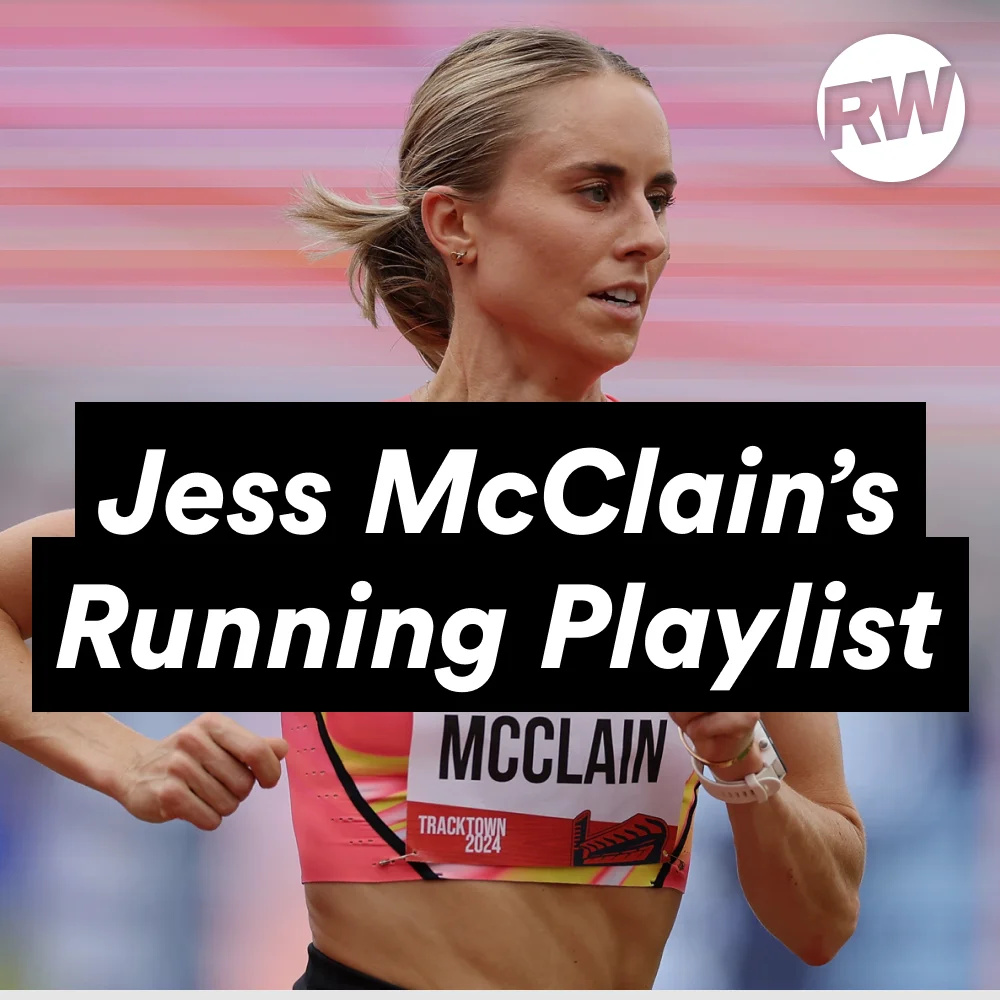
Kenya’s Sheila Chepkirui won her second New York title in three years, finishing in 2:24:36 after a late challenge. Jess McClain placed second in 2:24:42, one second ahead of defending champion and course-record holder Hellen Obiri. The narrow margin is a reminder that a large participation record doesn’t make the elite contest incidental; at the front, a few seconds still separate a title from third place.
McClain became the first American woman on the open podium since Shalane Flanagan in 2018. Four American men recorded the fastest U.S. times ever run on the New York course; Zouhair Talbi led them in sixth place at 2:06:43. Those performances give the day a second story beyond the finisher count: domestic runners reached notable marks even as international athletes took the top places.
Wheelchair records and race-wide milestones
Marcel Hug extended his event record with an eighth men’s wheelchair victory, finishing in 1:28:14 and beating American Daniel Romanchuk by one second. That margin makes the result a close contest as well as another title for Hug. Catherine Debrunner won the women’s wheelchair race in 1:40:02, earning her second title. Together, the wheelchair races show how the event’s competition spans divisions, each with its own field and records.
The marathon also surpassed its $100 million charity fundraising goal and drew runners from 153 countries. Those figures widen the picture of what the event represents: the finish count measures participation, while the fundraising total and international turnout point to a reach that extends beyond the race itself. (And this is the part most people overlook.) A record crowd is also an organizational test, because every added participant depends on a course and event structure that can accommodate them.
American Danil Farkash, 90, was the oldest finisher, completing the course in 11:24:18. Lucy Weld was the youngest: she finished in 4:12:06 on her 18th birthday. Their results put individual stories alongside the headline record. The field’s range is part of the marathon’s public identity, even as the elite races offer a separate measure of performance.
What the growth asks of the race
The finish count makes New York’s growth hard to miss. Its next test is whether the race can keep expanding while preserving the citywide course and the elite competition that give the event its reach. A rising total is an achievement, but it also raises a straightforward question about capacity: how much more participation can the existing format absorb?
There’s no answer in this year’s results. They establish the size of the field and the pace of recent growth, but don’t say whether organizers plan to expand further or how they would manage that change. If you’re working in this space, the clearest signal is the three-year pattern: New York has added finishers across successive editions, and the record now sets a higher bar for what a mass-participation marathon can accommodate.
This is more significant than it looks. The race has reached a scale where the challenge is not simply attracting more runners; it’s sustaining the experience that makes a five-borough course distinctive while keeping the competition at the front compelling. A milestone, and a test.
Find Your Next Running Playlist