Winter running, covered from head to toe
Janji’s Winter 2026 collection makes a practical case for staying outdoors when the weather turns. It includes men’s, women’s and unisex running gear, from fleece tights and insulated jackets to gloves and hats, plus some casual pieces. The range is broad; whether every item earns a place in your kit will depend on your conditions and how much warmth you need. That distinction matters because winter running doesn’t call for the same kit on every outing. A steady run in cold, dry weather can create very different clothing needs from a windy route or a workout with repeated changes in effort. Janji’s mix of insulating layers and accessories gives runners options, though the product descriptions alone can’t tell you how each piece will feel on your route. If cold-weather miles are on your calendar, the collection is available to shop winter running gear. You can also browse Janji’s full Winter 2026 collection.Layers for changing effort
The $228 Thermalrunner Insulated Jacket is built around a familiar winter-running trade-off: retaining warmth without trapping too much heat once you’re moving. Its wind-resistant nylon shell and strategically placed PrimaLoft Gold Active insulation are designed to balance those needs. Three zippered pockets add storage, and the jacket packs into its chest pocket. It’s one of our favorite winter running layers. That combination of insulation and wind resistance addresses a common layering problem: a jacket can feel welcome at the start, then become too warm as effort rises. Packing into its own chest pocket gives the jacket another role when conditions shift during a run, though the description doesn’t specify how small it packs or how quickly it can be stowed. At this price, those practical details matter alongside the insulation claim. The collection also includes Janji’s Auras Ultrafleece Half-Zip Hoodie, listed at $124, with men’s and women’s versions available: Shop Men’s | Shop Women’s. For runners who would rather keep logging outdoor miles than retreat to the treadmill until spring, that mix of insulating layers and smaller accessories gives the collection a useful range. The central question is how much warmth you need while moving, not simply how cold it feels before you leave home.Warmth that still lets sweat escape
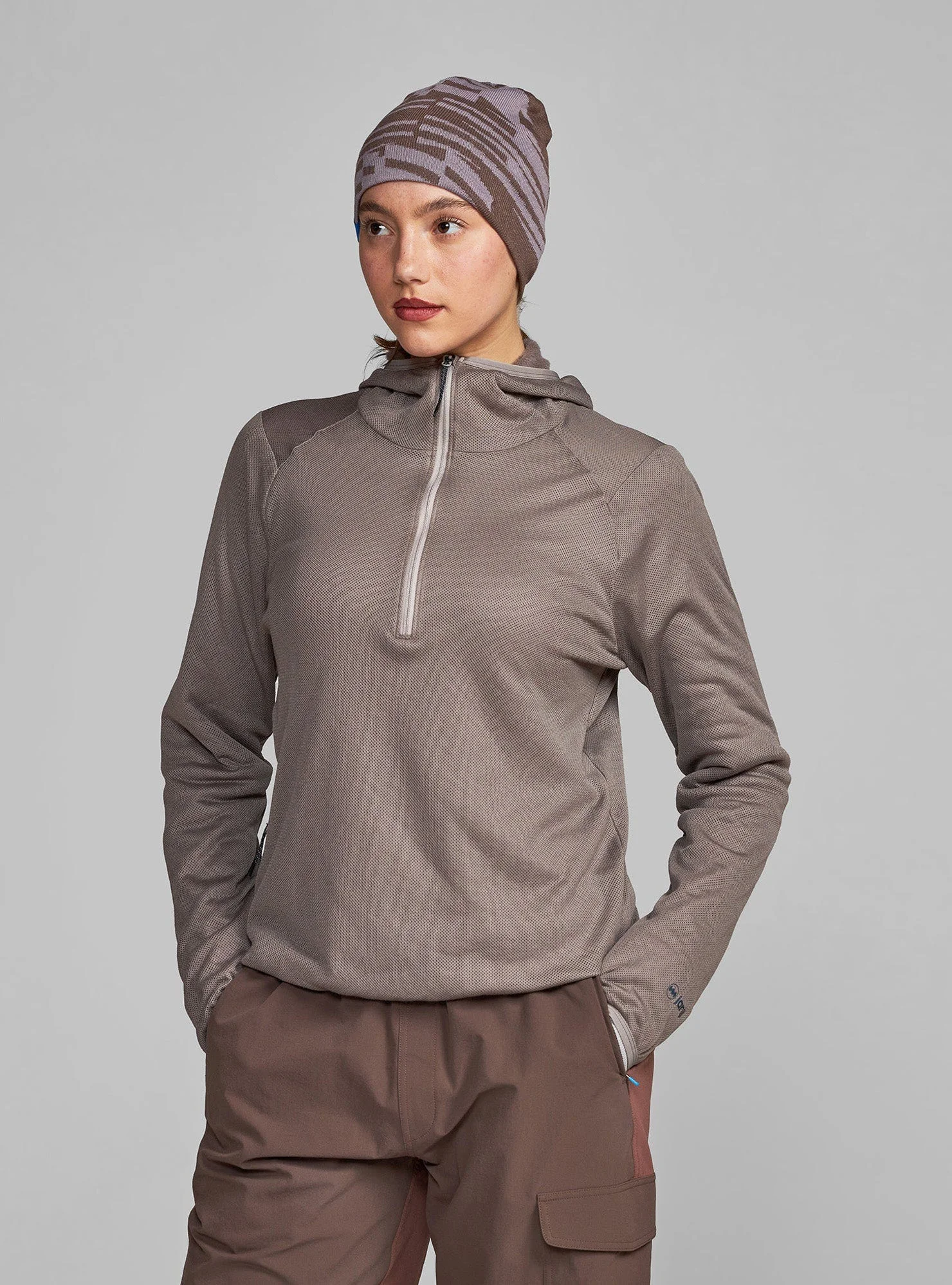
The Janji Auras Ultrafleece Half-Zip Hoodie is built for a familiar winter running problem: staying warm without trapping sweat. Its recycled polyester mesh has open pores to release heat and moisture, and the fabric dries quickly. A brushed interior adds softness and takes the bite out of cold, windy weather. At $124, it’s a focused layer for cold-weather workouts, with matching options in a men’s jacket and a women’s vest.
Breathability is a useful promise, but it’s also highly dependent on pace, weather and what you wear underneath. A mesh fabric intended to release heat may suit a hard workout better than a slow outing in biting cold; the description doesn’t establish where that balance falls in practice. Here’s the thing: a layer that works across effort levels is more valuable than one that’s warm only while you’re standing still.
Insulation where your legs need it
For lower-body warmth, Janji’s Thermalrunner Hybrid Insulated Jogger pairs a fleece lining with a hybrid design. The $168 women’s jogger is labeled fleece-lined—a useful cue if you’re looking for added warmth on cold runs. That description leaves room for different interpretations of “hybrid,” so the placement of insulation is more revealing than the label alone.
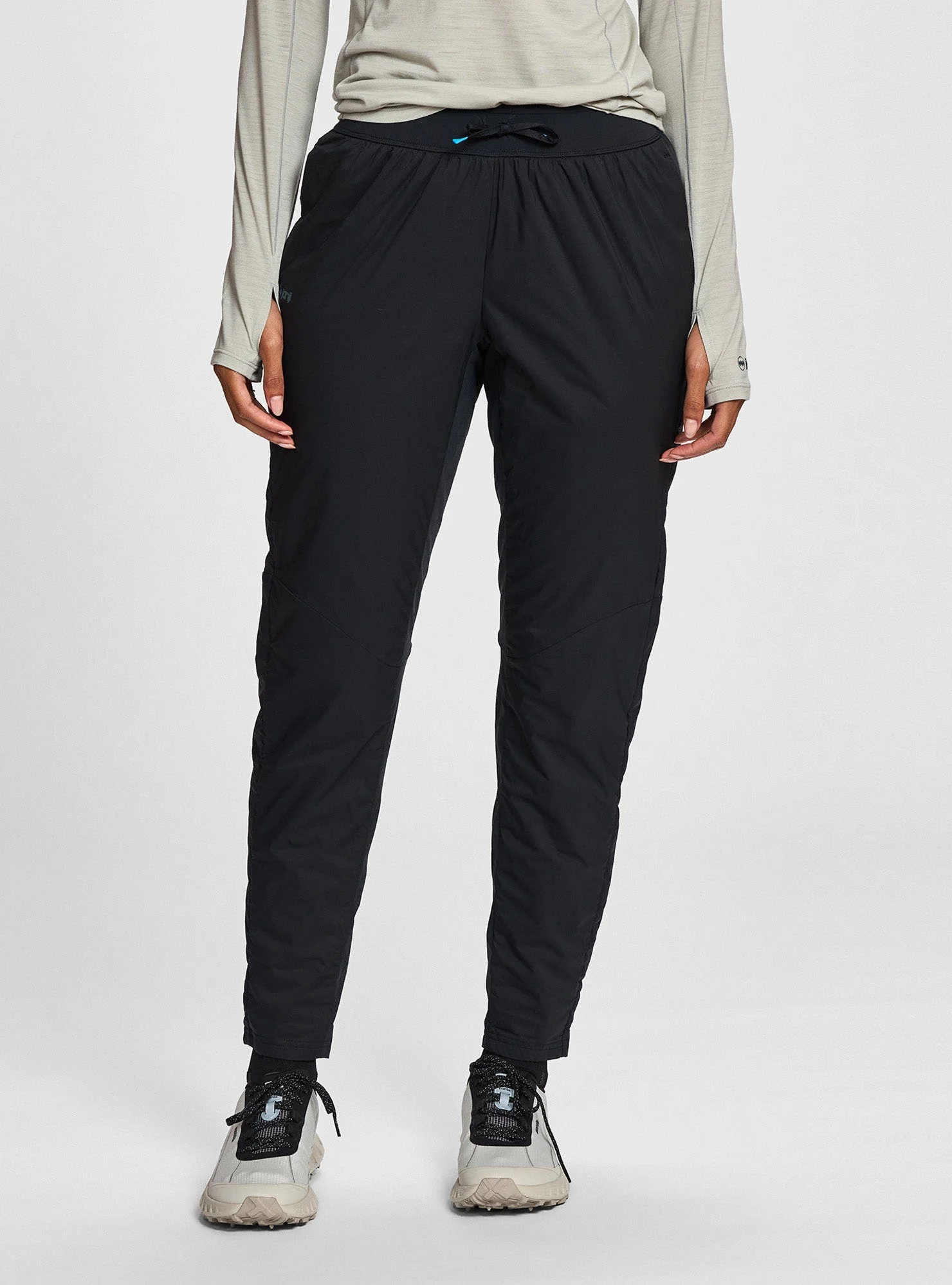 Janji’s cold-weather lineup pairs an insulated running jogger with a merino balaclava. The more compelling idea is the jogger’s targeted warmth: synthetic insulation covers the front and seat, while fleece lines the interior. Janji says its smooth nylon exterior resists moisture without the familiar swishing sound. An external drawcord and three zippered pockets round out the design.
The placement suggests an attempt to add warmth where it’s most useful while keeping the garment’s other areas less heavily insulated. That could make the jogger a better fit for some runs than a uniformly thick layer, though the source provides no test results to show how it performs across different conditions. The quiet exterior is a small but considered detail for runners who notice fabric noise over long stretches.
The women’s jogger is [$168 at Janji](https://go.redirectingat.com?id=74968X1576258&url=https%3A%2F%2Fjanji.com%2Fcollections%2Fwinter-26%2Fproducts%2Fw-s-thermalrunner-hybrid-insulated-jogger); [the men’s version is also available](https://go.redirectingat.com?id=74968X1576258&url=https://janji.com/collections/winter-26/products/m-s-thermalrunner-hybrid-insulated-jogger). The fragment offers no independent performance results, so claims about warmth and moisture resistance remain the brand’s. If you’re working in this space, that’s the useful distinction: product construction can explain a design choice, but it can’t substitute for evidence of how the garment behaves on a run.