Why the half marathon suits run/walkers
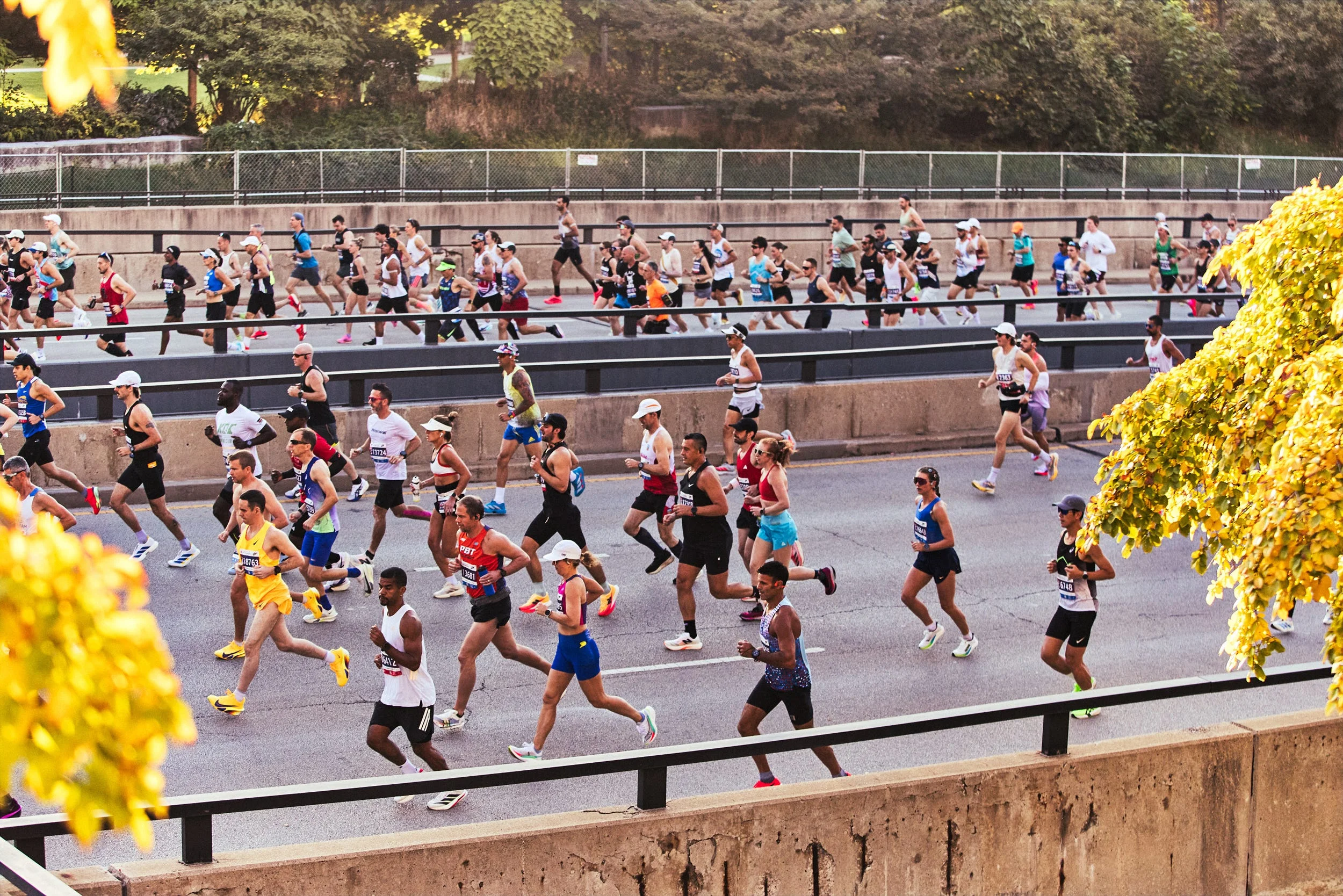
The half marathon has a rare mix of reach and challenge: races are common, and the 13.1-mile distance gives runners a substantial goal without requiring a marathon. It’s also a favorite. In the 2026 RunningUSA Global Runner Survey, 38 percent of nearly 12,000 respondents picked the half marathon as their preferred event. The marathon came next, 20 percentage points behind. That popularity means runners can find races in destination cities and close to home. You can browse race calendars to see what’s available. And if you’re aiming for your first half or a personal best, planned walk breaks can help you hold a steadier effort over the distance. That’s more than a way to get through the race: run/walk may help you finish feeling strong, and it can support a faster result. Run/walker Cheryl Munn says she ran her best half at the Savannah Rock ’n’ Roll Half Marathon in punishing heat. While other runners struggled, she kept her pace consistent by sticking to her intervals. It’s one runner’s experience, of course, but it illustrates the method’s appeal: brief walks can give your body time to recover enough to keep going.What you’ll learn
Runner’s World’s How to Master the Run/Walk Method includes tools and plans for preparing to cover 13.1 miles with walk intervals. The guide covers why the distance can work well for run/walkers, how to select a plan that matches your goal, what training sessions to expect, and how to approach race day. The training plans are designed for both beginners and experienced run/walkers. If you’re still building confidence, a structured plan can make the weeks ahead feel more manageable. You can also browse Runner’s World’s other training plans.Watch the run/walk guide
The video, “Run/Walk Method: Half Marathon Plans for Beginners to Advanced Runners,” is available to members. Host Carissa Galloway sums up the case for walk breaks this way: > “As you give yourself short walk breaks throughout the run, your body will feel fresher so you're able to go longer. That means if you have your sights set on a race like the half marathon, using the run/walk method can get you to the start line and finish line feeling strong and fast.”Set your pace and choose a plan
To estimate a half marathon goal pace, use your time from the Magic Mile time trial: multiply your timed mile by 1.2. That estimate also helps set training paces and the run/walk intervals you’ll use as race day approaches. Runner’s World offers beginner, intermediate, and advanced half marathon plans. They span six to 16 weeks and combine run/walk workouts, easy walks, long runs, cross-training, and rest days. The plans aim to build endurance, speed, and confidence; the right choice depends on your experience and race goal. You can download the plans here: - **Beginner:** [Download the beginner plan](https://hmg-prod.s3.amazonaws.com/files/rw-beginner-run-walk-half-marathon-plan-685c673b00643.pdf) - **Intermediate:** [Download the intermediate plan](https://hmg-prod.s3.amazonaws.com/files/rw-intermediate-run-walk-half-marathon-plan-685c687f32329.pdf) - **Advanced:** [Download the advanced plan](https://hmg-prod.s3.amazonaws.com/files/rw-advanced-run-walk-half-marathon-plan-685c69799fcaf.pdf)16-week beginner plan
This schedule is intended for runners who haven’t completed a half marathon. Each week includes two midweek run/walk workouts of 30 to 45 minutes, one easy walk of 20 to 45 minutes, two days with optional cross-training, and at least one rest day. Weekend long runs build from two miles to 14—slightly beyond race distance, to develop endurance. New to run/walk? Start each workout with five to 10 seconds of running, then walk for the remainder of the minute. If you’ve used the method for at least three months, consult the run/walk ratio suggestion chart to find a suitable interval ratio.Choosing a Plan That Fits Your Running Base
The intermediate plan is aimed at runners who’ve been running at least three times a week for three to six months and are ready to build from a 5K toward a half marathon. It schedules two 30- to 45-minute run/walk sessions midweek, an easy walk, two optional cross-training days, and one rest day. Long runs start at five miles and reach 14 miles by week six. The step up from the beginner plan is chiefly a matter of mileage. The advanced plan is for runners who’ve already completed a half marathon and want a faster time. You should be able to run double-digit miles before starting. Across its six weeks, the plan calls for weekly speedwork, plus race-pace miles once or twice a week, guided by your Magic Mile time trial. It also includes two optional cross-training days and a rest day. Long runs begin at five miles and build to 14–17 miles near the end. One standard workout is a set of 800-meter repeats at 30 seconds per mile faster than your half marathon pace, each followed by a 400-meter walk. The number of repeats depends on the workout’s target. At a 12-minute-per-mile goal pace, for instance, the 800-meter efforts would be run at an 11:30 pace. Race-pace miles also appear in midweek and long runs, giving you practice with both your target speed and your run/walk intervals. That’s a demanding setup; the plan’s double-digit-mile prerequisite is there for a reason.Run the Race You Practiced
Race-day excitement can make the opening miles feel easier than they are. Resist the urge to speed up. Stick with the run/walk ratio and goal pace you’ve trained for, and keep the early miles controlled so you have something left later. A crowded course adds a practical challenge: other runners may take walk breaks at different times—or not at all. Make your transitions predictable and give people around you room: - Move toward the side of the course before starting a walk break. - Check behind and beside you before slowing down. - Return to running smoothly, without cutting across another runner’s path. The preparation matters, but so does how you use it. A steady pace and considerate transitions help you follow your plan while sharing the course with everyone else.
Ashley Tysiac is Editor of Content Hype at Hearst’s Enthusiast & Wellness Group. A former collegiate runner at UNC Asheville, where she studied mass communication, she has raced two marathons and covered events including the Paris Olympics, U.S. Olympic Trials, and multiple World Marathon Majors.