Run/walk training can take you from a first jog to a goal race, but the intervals are only part of the equation. The bigger test is building a routine you can sustain: pacing and tracking matter, yet recovery, strength work, and fueling help determine whether you can keep showing up. Learn how to use the Magic Mile, track your intervals, and prepare for a 5K or 10K as you build toward your target.
The run/walk method can work across a wide range of fitness levels and goals, from improving health to setting a personal record. Its value is practical: planned walk breaks can make running feel more approachable, while a consistent training rhythm gives you room to progress. Here’s the thing: success depends on what happens between workouts as much as on the workouts themselves.
How to Master the Run/Walk Method: Training Principles for Consistent Success covers ways to stay consistent, prioritize recovery, add strength training, and build a fueling strategy that supports your training.
What You’ll Learn
A durable run/walk routine needs more than a schedule of run and walk intervals. The key questions are how to keep training regularly, when to rest, how strength work fits alongside running, and what to eat and drink to support your efforts.
- How to stay consistent with run/walk workouts
- Recovery strategies to prioritize during training
- Why strength training supports a sustainable routine
- How to build a fueling strategy for training
Watch Video

“Using the run/walk method has enabled me to run for 20 years and to complete marathons like New York, Chicago. Without run/walk, I probably wouldn’t have even tried to do it.” — Cheryl Munn, run/walker
More on the Run/Walk Method
 Improve Your Pace and Recovery
 Using the Magic Mile
 Tracking Your Intervals
 Train for a 5K & 10K
 Train for a Half Marathon
 Train for a Marathon
Go Deeper
As your run/walk training develops, a few habits can help keep it going over the long term. Consistency matters, but it works best when you give your body enough time to recover and build strength alongside your running.
1. Keep a regular rhythm
Regular training helps you work toward fitness goals and hold on to progress, even when you aren’t preparing for a race. That doesn’t mean staying in race mode all year. An off-season maintenance plan can add structure and help sustain motivation; a four-week run/walk maintenance plan can keep you prepared for your next training cycle.
2. Make room for recovery
Run/walk training plans include a weekly rest day for good reason: recovery gives your body time to adapt to the work. Allow extra downtime after hard sessions and long runs, and set aside a few minutes for stretching or foam rolling.
Sleep matters, too. It supports muscle and tissue repair, immune function, and injury prevention. The precise amount each runner needs isn’t covered here, but treating sleep as part of training is a sensible place to start. Read about sleep and running performance.
3. Add strength work
Running mileage is only one part of preparation. Strength training one to three times a week can build stronger muscles, support joints, add force to your stride, and improve resilience. A strength training guide for runners can help you add it to your routine.
Early in a training block, you may have more room for strength sessions. As mileage and workout intensity rise, reduce their frequency to match the increased demands of running.
4. Fuel the training you’re doing
More miles mean more energy demands. That matters especially as you build toward a half marathon or marathon: if your intake doesn’t keep pace with your activity, it can be harder to sustain your training. Build meals around whole foods, grains, fruit, vegetables, and lean protein. A practical runner’s diet guide can help you shape that routine, while hydration guidance covers replacing fluids with water and electrolytes through the day and during workouts. Plan around the run, too. Get enough carbohydrates before a long effort, then eat a mix of carbohydrates and protein afterward. Once a run stretches beyond 60 minutes, carry fuel such as gels, gummies, electrolytes, or sports drinks. The details can vary by runner, so the Guide to Nutrition and Fueling offers advice from industry experts on hydration, fueling during a run, and race day nutrition.5. Make running social
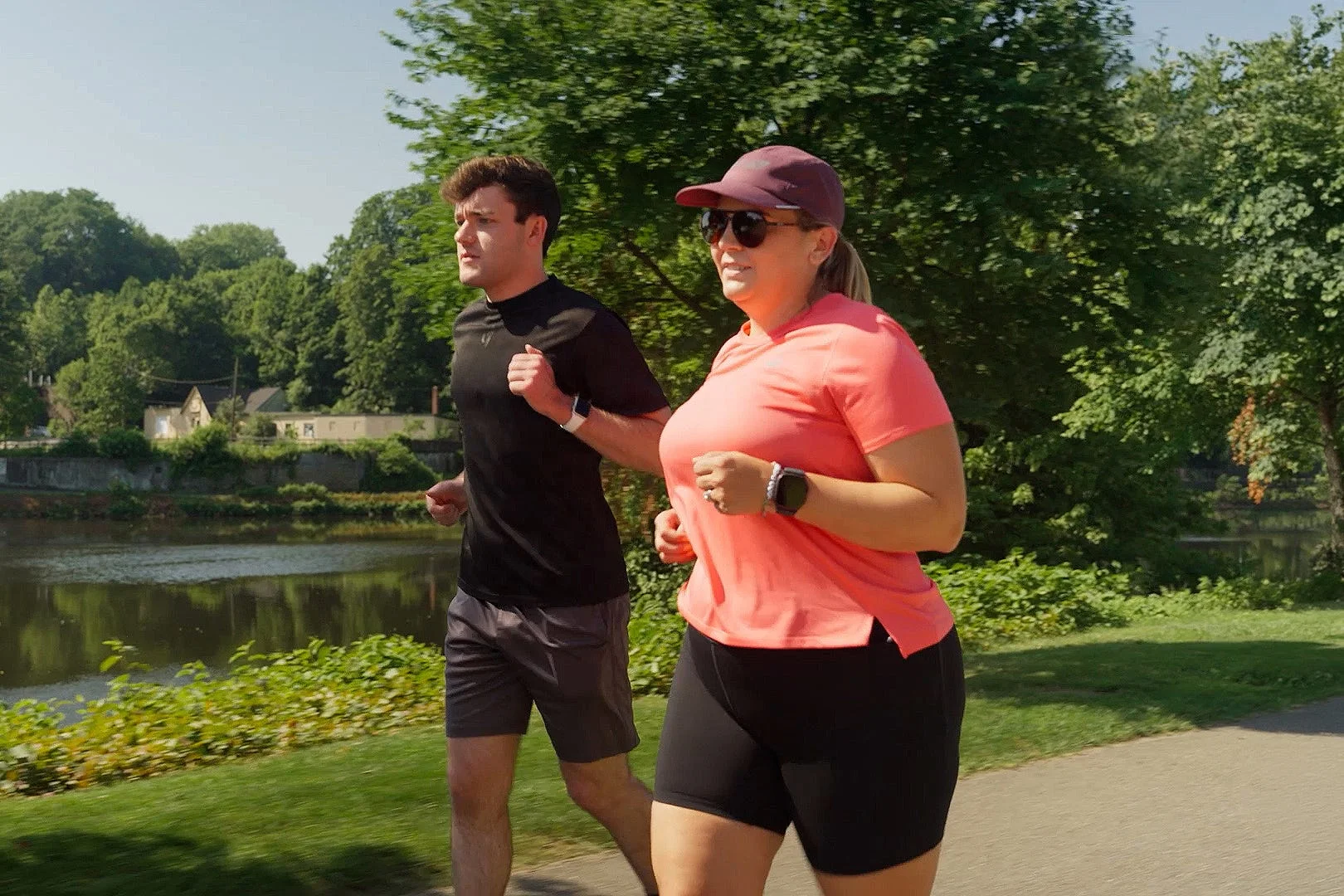
Running can be a solo habit, but it doesn’t have to stay one. A run club, virtual run/walk group, or training partner can help you show up regularly and enjoy the miles. The support also gives you a way to stay accountable and find more meaning in the work. Experienced run/walker Cheryl Munn puts it plainly: “The fact of the matter is running is a lot more fun when you’re doing it with other people. I don’t think that I would’ve kept at it if I hadn’t joined a local running group.” That’s a useful reminder for anyone struggling to make training stick: company can be part of the plan, not an extra.