Reflecting on a Legacy
The recent victory at Watkins Glen by Vasser Sullivan Racing wasn't just a win on the track; it was a poignant tribute to Dennis Reinbold's enduring legacy in motorsport. Team co-owner James Sullivan openly expressed his gratitude, stating, "I owe a lot to Dennis for helping jumpstart my career." His words encapsulate the profound impact that Reinbold had, not just on Sullivan, but on the racing community as a whole.
This victory stood out amid a highly competitive IMSA season, underlining the emotional weight carried by the team. Competing in such a demanding environment, where every race could pivot between failure and triumph, serves to deepen the sense of loss, yet also celebration, for those who were influenced by Reinbold's vision and leadership.
Experiencing a win dilutes the sharp edges of grief, but it also raises important questions: How does one navigate the heavy emotions intertwined with racing amid personal loss? For team members and drivers, this blend of anguish and elation can be both a source of motivation and a poignant reminder of what has been lost. For anyone involved in this world, the intricacies of human emotion paired with high-stakes competition continue to reveal complexities that chart the course of individual and team journeys.
Here's the thing: as motorsport fans or professionals, we often focus solely on the statistics and performance data—lap times, point standings—but it's moments like these that blend competitiveness with remembrance. It reminds us that beneath the roaring engines and tire screeches lie profound stories of connection and legacy. It’s a narrative that will resonate well beyond the racetrack, shaping how we view each driver, team, and their motivations.
If you're working within this arena, take note of how emotional factors can drive performance in unexpected ways. The interplay of victory and remembrance adds layers to race results, making each place on the podium tell a story that’s much richer than mere numbers.
Redemption at Watkins Glen
After reflecting on a bitter finish the previous year, Vasser Sullivan Racing embraced a redemptive moment at the Sahlen’s Six Hours at The Glen. The team, embodying the spirit of a beloved figure in the paddock, turned heartbreak into triumph.
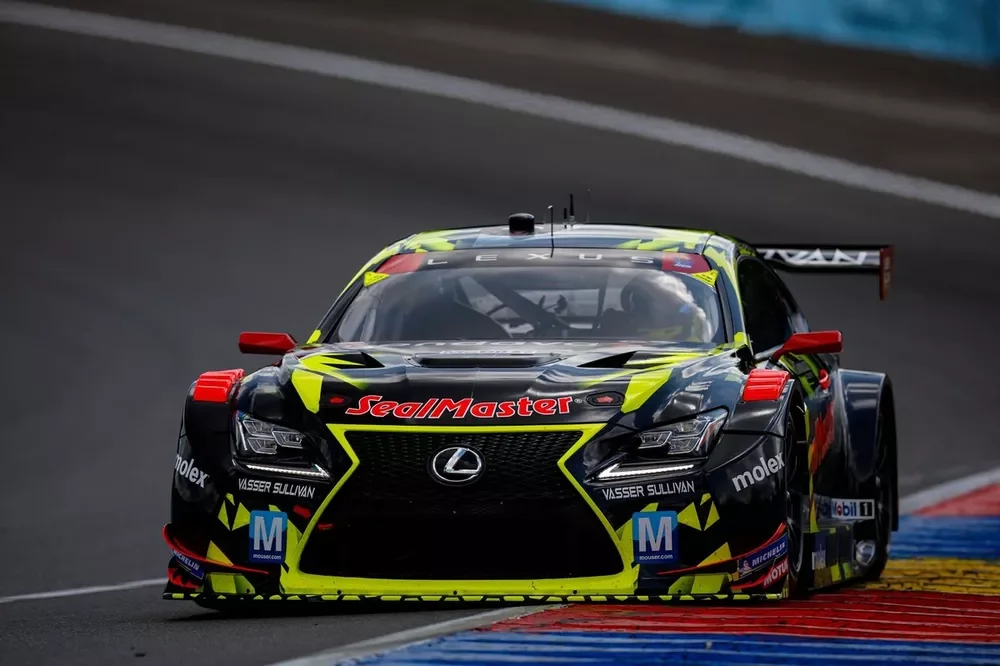
Co-drivers Jack Hawksworth and Ben Barnicoat drove to victory in the #14 Lexus RC F GT3, clinching the GTD Pro class from the pole position. This win wasn't just about breaking a long dry spell—25 races to be precise, since the Twelve Hours of Sebring in 2024—it was steeped in deeper significance. The race served as a heartfelt tribute to Dennis Reinbold, the esteemed team owner who passed away earlier that month. In a notable show of respect, Vasser Sullivan co-entered the Dreyer & Reinbold Racing name into the race, honoring a 15-year friendship in motorsport.
The contrast to last year's ordeal at Watkins Glen could not be more pronounced. Just 12 months earlier, disaster struck as the team’s #12 GTD entry, led by Hawksworth, ran out of fuel on the final lap, robbing them of what seemed a foregone victory. Fast forward a year, and the team executed a flawless race weekend, sipping from the cup of victory and celebrating a moment they had long yearned for.
James 'Sulli' Sullivan spoke with emotion of last year's disappointment: “The way we lost this race last year, we were in complete control of it. It was one of the hardest days in this program.” That echoed the pain felt throughout the organization, but ultimately inspired the resurgence witnessed this year.
Sullivan’s history with Reinbold goes back to when he sought a partner to make his mark in racing during the 2011 Baltimore Grand Prix. While others scoffed at his ambitions, Reinbold saw potential, marking the inception of a partnership that would thrive both competitively and personally.
“I owe a lot to Dennis for helping jumpstart my career,” Sullivan reflected, emphasizing how critical Reinbold’s encouragement was at that juncture. Both owners carved out their paths in racing without having come from driving backgrounds, cementing an extraordinary bond amid the traditionally driver-led world of motorsport.
Before Reinbold’s passing, Sullivan had a poignant conversation with him, sharing regrets and gratitude, although Reinbold remained unaware that his name would grace the car at Watkins Glen. Sullivan stated, “He was a hell of a racer. He was a hell of a friend. He was a hell of a partner.” It was only fitting that the Lexus RC F GT3 be dedicated to Reinbold, a testament to their shared journey in the sport.
The emotions ran deep: “We came in here 12 months later, literally to the day, with Reinbold as our co-entry, and we won the damn thing,” Sullivan remarked, capturing the poetic nature of this outcome. This profound connection to racing is why these moments resonate profoundly; they encapsulate the highs and lows of a sport that can turn on a dime.
Looking Ahead: The Emotional Legacy of Racing
The recent victory by Vasser Sullivan at Watkins Glen represents much more than just a win; it’s a poignant tribute to Dennis Reinbold's enduring influence in motorsport. This race has layers that extend beyond the asphalt—it speaks to the spirit of camaraderie and the dreams that fuel the sport. If you’re in the racing industry, you know that each victory carries the echoes of those who have come before us.
What’s particularly striking about this story is how it showcases the emotional undercurrents that often go unrecognized in competitive racing. Reinbold's legacy reverberates through the achievements of the teams and drivers he inspired. Celebrating such figures reminds us that success isn’t just about trophies; it's also about the relationships and mentorships that guide young athletes in their journeys.
This moment serves as a powerful reminder of the human connections at play. The numbers can often overshadow the stories behind them, but it’s the narratives that really matter in this sport. Moving forward, expect to see more emerging tales of resilience and emotional tributes like this one—what this tells us is essential for the future of racing culture. So, as fans and professionals alike, let’s keep the spotlight not just on the finishes, but on the hearts and histories that shape our beloved sport.