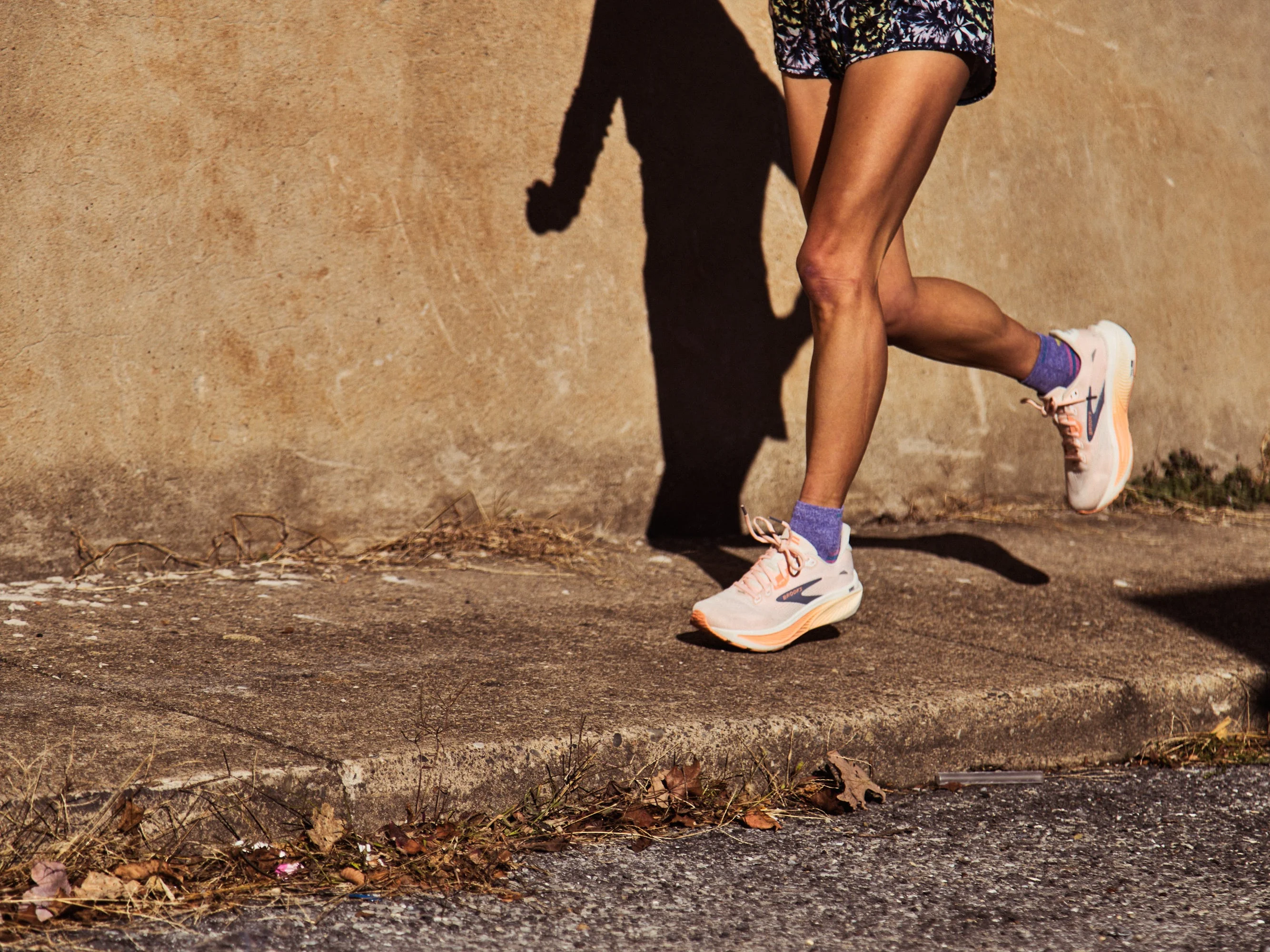
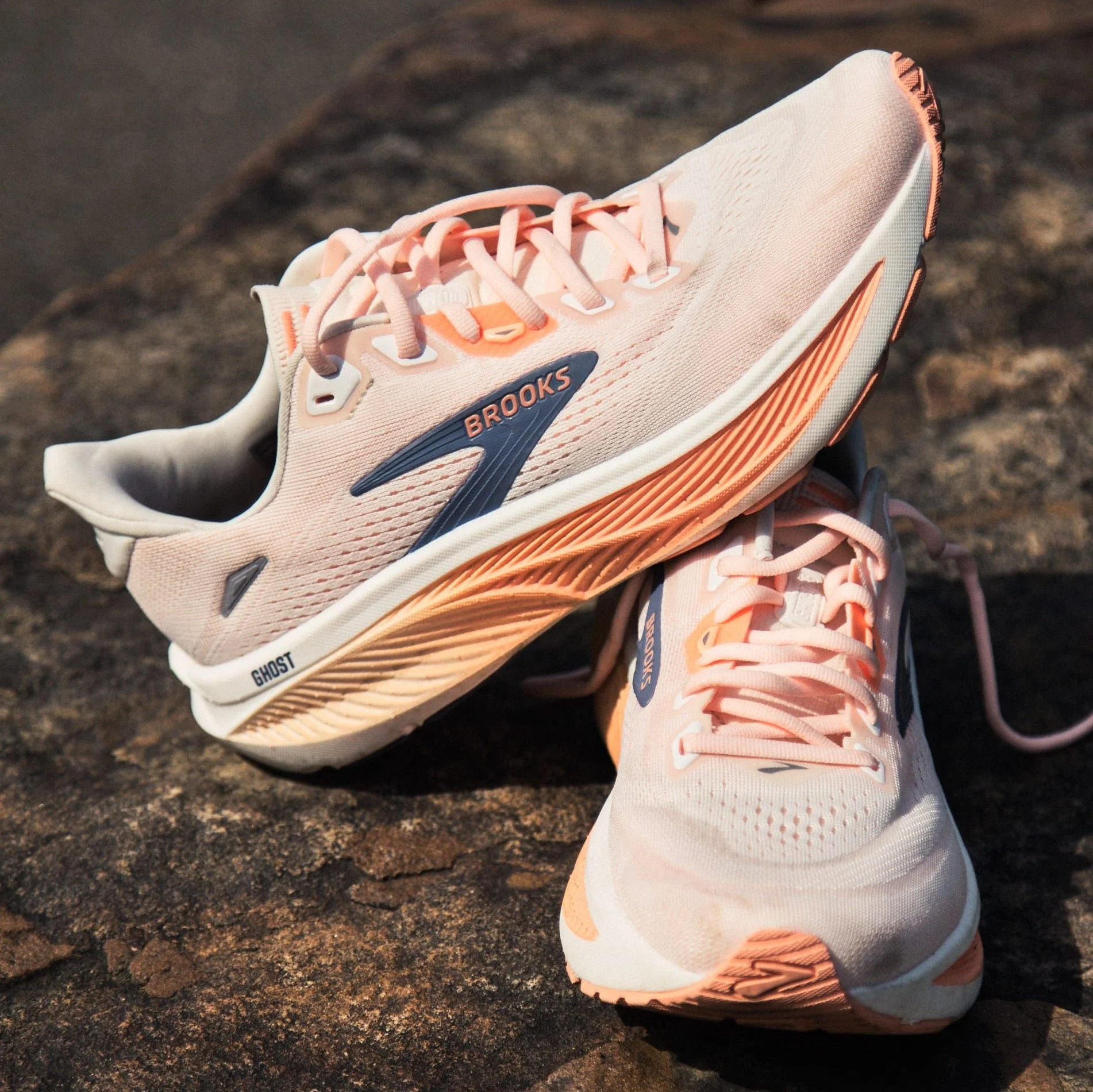
The Brooks Ghost has long been an easy first recommendation for runners who don’t know where to start. It’s a neutral shoe for people unsure about pronation, with cushioning that sits between firm and plush. That middle ground, plus a reputation for a comfortable fit, made it a dependable choice when the options felt overwhelming. [Brooks Ghost](https://www.brooksrunning.com/en_us/womens/shoes/road-running-shoes/ghost-18/120482.html)
That reputation is a useful starting point, but it doesn’t guarantee every new version will land the same way. When the Ghost 18 launched in May, staff had already spent several weeks running in it, and their early reactions were mixed. For a shoe often treated as the safe pick, that’s a meaningful change.
Fit is where the Ghost 18 loses ground
The Ghost 18’s tradeoff becomes clearer with time: Brooks’ softer Glycerin 23 overtook it in popularity and positive feedback, and the difference came down largely to fit. The shoes scored similarly on most measures, but not comfort. The Glycerin was a little heavier, while the Ghost 18’s comfort ratings split sharply: men rated it highly; women rated it poorly. Testers kept returning to the same complaint: their toes felt cramped. Glycerin 23 tester Maura Dalek said her toes had room to move and her feet stayed cool and dry. Ghost 18 tester Mallory Creveling, a deputy editor, found the length right but the forefoot increasingly cramped as she ran. The gap between those accounts points to a fit issue that can outweigh small differences in weight or other specs.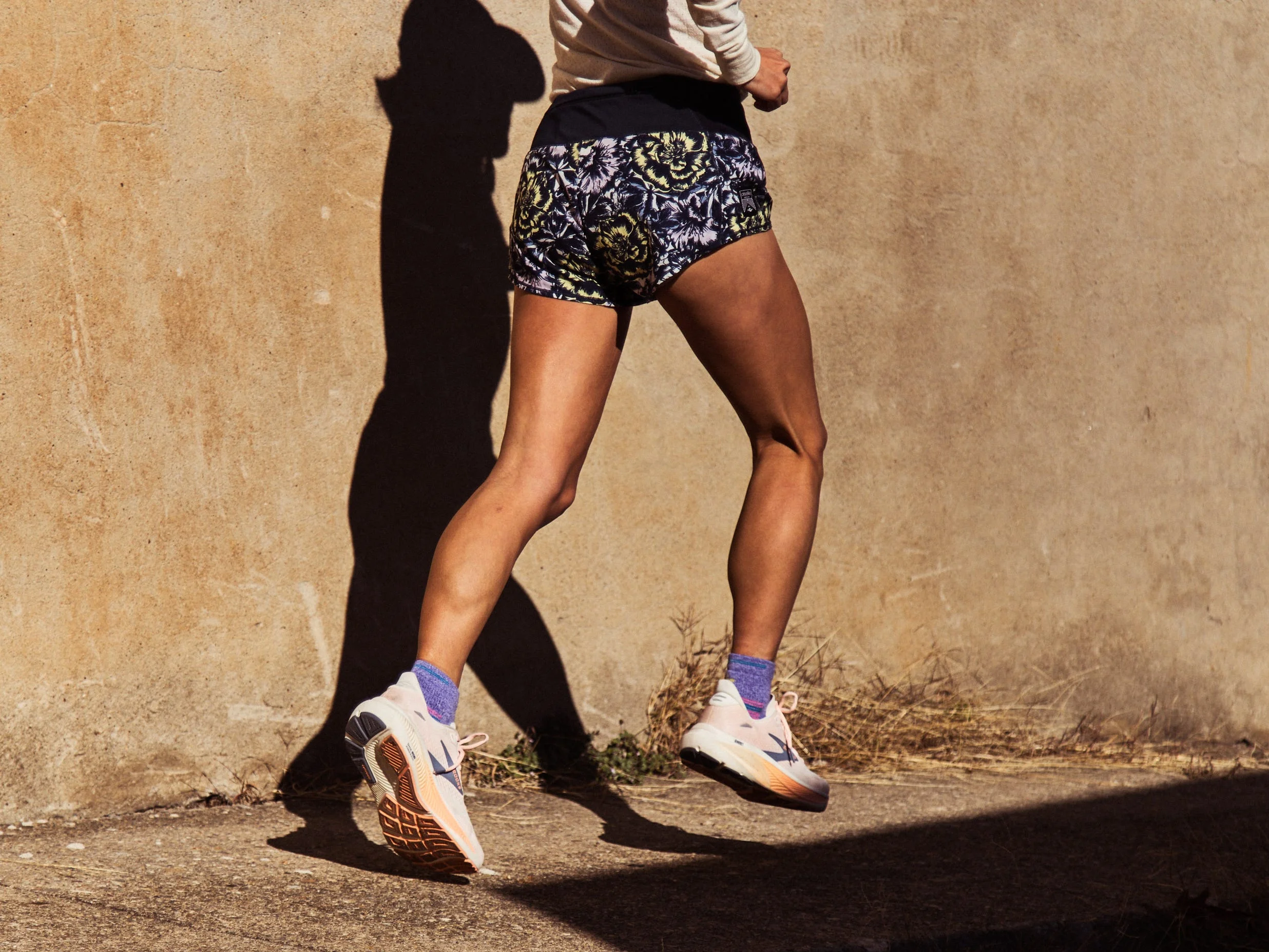
Getting used to the Ghost 18
Six months after the initial testing, the Ghost 18 still presented a familiar dilemma: a shoe you’ve liked before changes, and you’re tempted to give the new version time to grow on you. That can happen with running shoes, but “you’ll eventually love it” is poor shopping advice. If the forefoot feels tight on a test run, the Glycerin 23’s more accommodating fit may matter more than the Ghost’s marginally lighter weight.Fit is the deciding factor
The Ghost 18’s fit won’t work for every runner, and our testing can’t settle that question for every foot. One tester, Creveling, gave the shoe several chances over 18 months and managed only about two runs without pain. Our pairs were standard width: B for women and D for men. The Ghost 18 also comes in narrow, wide, and extra wide, and fit can change between brands and even between models. If you’re considering a pair, try them on and run in them before committing. Getting your feet measured can help you decide whether you need a different width. Feet can change with age, life events, and gravity. Other testers had a much better experience. One called the Ghost 18 a worthy successor, praising its stability, durability, and grip on wet roads and loose gravel, along with the roomy toe box and comfort. After breaking in, the shoe also became more flexible and comfortable. Runner-in-Chief Jeff Dengate was pleased with the fit, too. He said Brooks tends to give its shoes a secure, consistent wrap, even as models change. The Ghost has less padding and luxury than some shoes, he said, but still feels comfortable over long distances. Its plush heel collar and flat, ribbed tongue help create that familiar fit.A dependable daily trainer, if the width works
The Ghost 18’s DNA Loft v3 foam is nitrogen-infused EVA, and it doesn’t deliver as much punch as shoes using TPEE or PEBA. That makes this less of a standout on cushioning than a reliable workhorse: a sound choice for everyday miles while training for a race or building a running habit. At $150, it sits close to the $145 New Balance Ellipse. Runners who want a heavier, plusher daily trainer can consider the $175 Glycerin 23. For a slightly lighter shoe with generous cushioning, the Ghost 18 is the middle-ground pick. Just make sure the width suits your foot.