Unraveling the Discontent at Aston Martin
Aston Martin's 2026 Formula 1 season is proving to be a tough battle, as Adrian Newey, the team's principal architect, expresses his frustrations regarding the team's troubling performance. Dubbed “not fit for purpose,” the current car design has led to multiple issues that have significantly derailed their ambitions this year.
Newey's candid remarks come amid a grim acknowledgment of the shortcomings in the engineering approach and structural integrity of the car. He doesn’t mince words when discussing the various obstacles the team faces, pinpointing foundational flaws that could take considerable time and resources to address. These aren't just minor tweaks; we’re talking about systemic problems deeply embedded within the framework of Aston Martin's competition strategy.
This situation raises important questions. If you're in the industry, you know how vital every ounce of performance becomes in the cutthroat F1 environment. Every miscalculation or engineering mishap can be the difference between standing on the podium or languishing in obscurity. Given Aston Martin's recent struggles, it's evident these issues could have long-term ramifications on the team's competitiveness and morale.
While Newey is a highly respected figure in motorsport engineering, his situation highlights a broader concern: how managerial and strategic misalignments can have profound effects on performance in high-stakes racing. The pressure of Formula 1 means that any slackening in operational efficiency or design integrity can set back not just a single season but the team's future trajectory.
As the team looks ahead, the pressing need for a reevaluation of both strategy and execution is clear. They must pivot quickly to reclaim any semblance of the competitive edge necessary to reestablish their position in the upper echelon of teams. The path forward won’t be easy; it requires immediate and effective changes to ensure the remainder of the season isn’t a complete washout. This isn't just a necessary fix for today—it's about building a foundation for future success.
Struggles in Development
Adrian Newey has openly criticized Aston Martin's preparations for the 2026 Formula 1 season, indicating that the team's tools and processes have lagged significantly behind industry standards. The Aston team, forgetting how to effectively utilize its Honda power unit, struggled extensively during pre-season testing and the opening races. When the AMR26 finally hit the track, it was evident that its design was subpar—overweight and underperforming in terms of downforce.
Their late start in development has not helped matters. Aston Martin acknowledged it fell behind its competitors, with the car entering the wind tunnel only in April 2025—a full several months after its rivals. According to Newey, this timing issue was compounded by operational deficiencies at the Silverstone factory that hampered their ability to catch up. As a result, they’ve found themselves eclipsed by even rookie teams like Cadillac, struggling to avoid the title of “F1’s slowest runner.”
Newey elaborated, "Timing was a huge part of it, but not the only part. While we have a talented team, we didn't operate as a cohesive unit.” The ambitious expectations set originally clashed harshly with the reality of their performance.
Weighty Problems
Weight issues have plagued the AMR26, stemming from both the integration of the power unit and persistent vibration problems with Honda. "On the chassis side, we're quite a long way overweight," Newey pointed out. “During rushed designs, weight is often the first casualty due to a lack of thorough optimization.” Moving forward, this oversight must be rectified if Aston Martin is to re-establish its competitiveness.
A risky aerodynamic pathway taken—driven largely by Newey’s vision—further complicated their situation. While he maintains the approach isn’t fundamentally flawed, it’s presented unforeseen challenges. The rush for speed and improvements made them overlook deeper explorations into alternative design concepts, which could have mitigated issues faced during early season races.
Outdated Systems, New Environment
In May 2023, Aston Martin transitioned to a new, modern headquarters in Silverstone. However, Newey’s insights reveal that many of the fundamental tools and processes used by the team were dated. “We had systems that were patched together over many years, tracing back to the early days of the Jordan team,” he noted. Such outdated methodologies inevitably slow down progress, leading to frustrating production delays where parts aren't ordered on time due to systemic failures, not individual negligence.
To combat these issues, a strategic overhaul is on the horizon. With an eye on the 2026 season, Aston plans to roll out significant upgrades for their car at the upcoming Hungary race, targeting both downforce improvements and reduced weight. Looking forward, they’re also committed to an in-house production strategy rather than outsourcing, to enhance quality control and flexibility in future developments.
Newey remains cautiously optimistic. "We’re transforming a tough period into an opportunity to refine our processes," he stated, emphasizing the need for patience as they implement changes. The benefits of increased internal production capabilities, including improvements in the gearbox casing and floor designs, promise greater control and responsiveness over their engineering and manufacturing processes. However, he tempers his enthusiasm: “You won't see all the gains immediately, but I’m confident they will show on the updated car.” The real question is, will that confidence translate into competitive performances on the track before this year is out?
Looking Ahead: Patience and Progress at Aston Martin
Aston Martin is at a pivotal moment as it invests in improving its engineering capabilities. The focus on upgrading essential simulation tools could signal a significant shift in the team's performance trajectory. While the immediate benefits may not be apparent, the foundational work being laid today could pay dividends as the season progresses. As one key figure pointedly noted, “We’re putting that investment in now, but you don’t rewrite and validate those tools overnight.”
It's a long road ahead. The implementation of these advanced tools isn't just a matter of quick fixes; it's a complex process that requires time for validation alongside real-world testing. The path to correlating new simulations with the performance of the actual car will take patience and expertise. With the acknowledgment that improvements are underway but the most substantial gains will be realized later in the year, the team seems poised to become more competitive.
So, if you're following this team or invested in the F1 ecosystem, keep an eye on how these changes develop over the coming months. Progress in the technology behind Aston Martin's efforts could not only boost their standing but also highlight a broader trend within F1: teams recognizing that engineering investment can lead to transformative outcomes, albeit with a timeline that demands patience.
More Insights on Aston Martin’s Journey
For those wanting to delve deeper, check out these related articles:
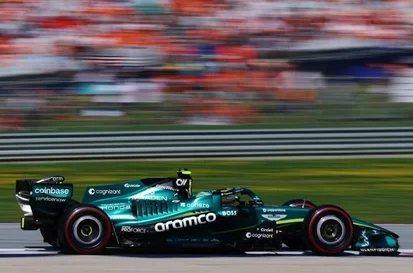
- [Fernando Alonso confident of progress despite Aston Martin's gap to Cadillac in Austria qualifying](https://www.motorsport.com/f1/news/fernando-alonso-confident-of-progress-despite-aston-martins-gap-to-cadillac-in-austria-qualifying/10834389/)
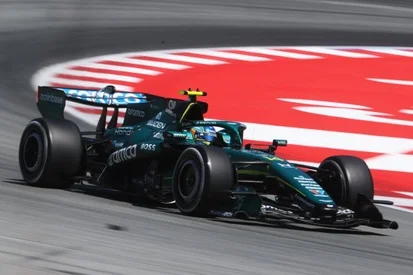
- [What’s behind Honda and Aston Martin’s F1 “team gathering” in Barcelona?](https://www.motorsport.com/f1/news/whats-behind-honda-and-aston-martins-f1-team-gathering-in-barcelona/10832438/)
- [The Adrian Newey quality that keeps Aston Martin believing](https://www.motorsport.com/f1/news/the-adrian-newey-quality-that-keeps-aston-martin-believing/10831909/)

Understanding the ongoing narrative surrounding Aston Martin will provide valuable context as the season unfolds. Watch for how investing in technology and engineering might just reshape their competitive landscape.