How Many Marathons Should You Run in a Year? Finding a Sustainable Race Schedule
Frequent marathons can strain recovery and health. Learn how race goals, training needs, and warning signs can help runners choose a sustainable schedule.
Fitness trends and health tips
Frequent marathons can strain recovery and health. Learn how race goals, training needs, and warning signs can help runners choose a sustainable schedule.
Runners over 50 share six training strategies behind their personal records, from setting goals and tracking progress to adjusting training cycles.
The Mizuno Wave Rider 30 offers cushioned, natural-feeling comfort for everyday runs, walks and gym sessions, though its upper may feel warm.
Race-week runs should preserve freshness, with most capped at four miles and a single longer session possible about four days before the marathon.
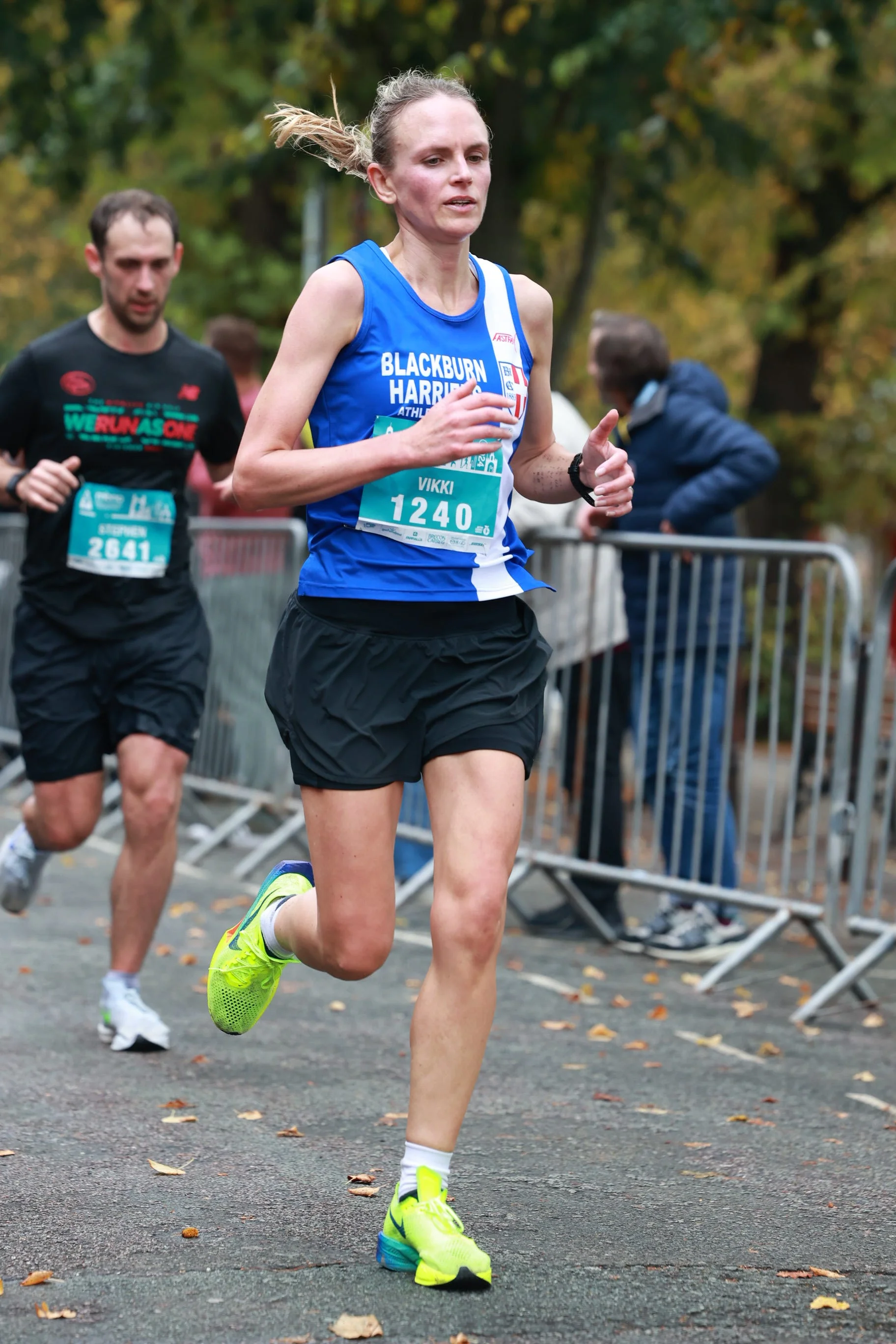
After taking up running in her 40s, Vikki Robertshaw ran her first marathon in 3:17 and later cut her time to 3:13 with focused training.
The $249 Hyperslide combines adjustable heat and vibration in a comfortable recovery sandal, though battery life is limited when both features are on.
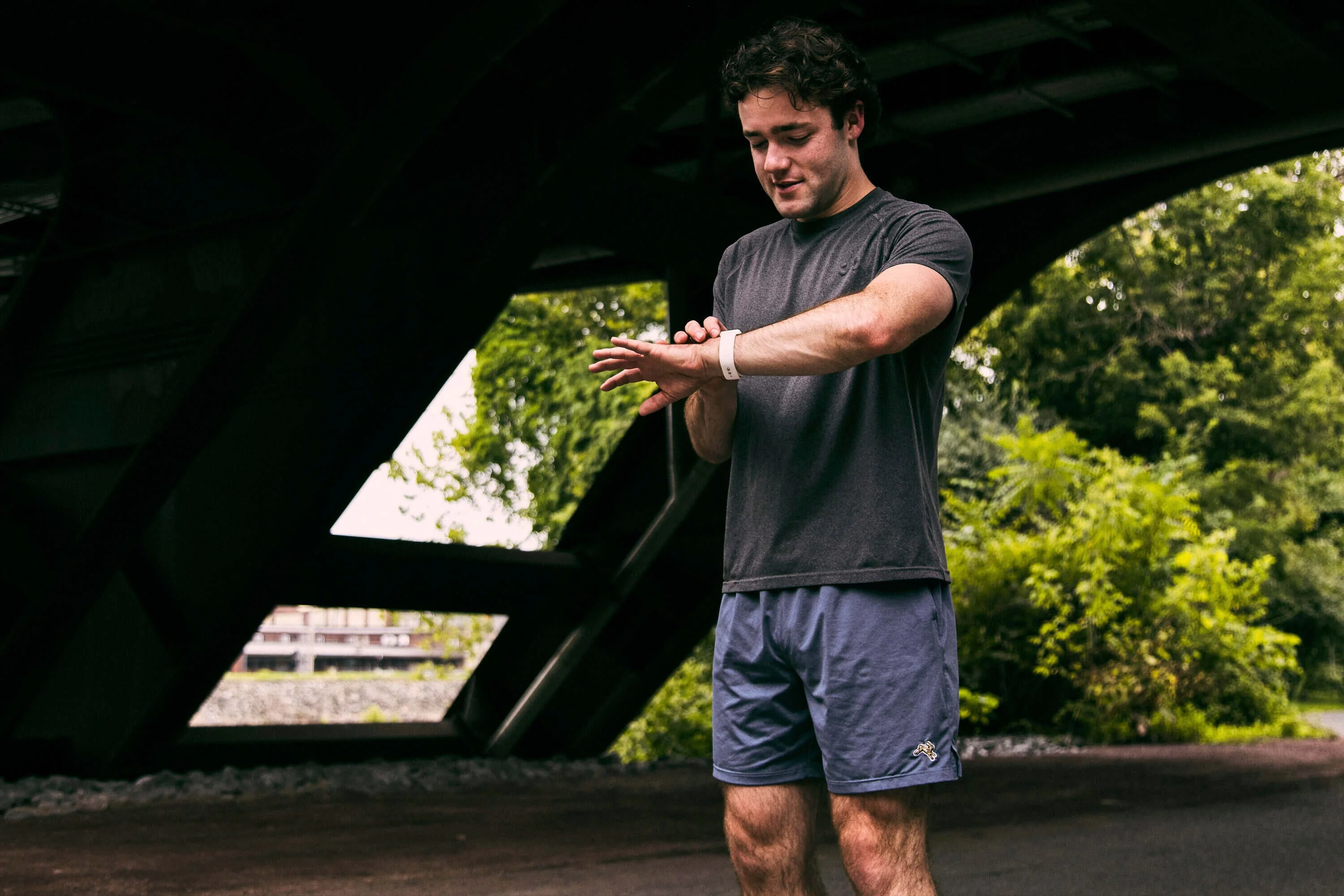
Live GPS pace can fluctuate and disrupt effort. Learn when to use current pace, lap pace, elapsed time, distance, or perceived effort.
Gradual, manageable speed sessions helped one run-walker improve half marathon times by more than 10 minutes while building confidence.
A 20:35 5K puts Mark Zuckerberg well ahead of typical finish times. Two workouts target speed and stamina across a wide range of running goals.
Morning runs can help you practice race-day routines and start focused, while evening runs may better fit your body clock and schedule.
Two race-specific workouts build 5K pace and sharpen your finish. Coach Jeff Gaudette also explains why a controlled first mile can pay off.
Spencer Friske and Caitlin McGinley beat the Olympic Trials standards at Baystate, but the race lacked the sanction required for their times to count.
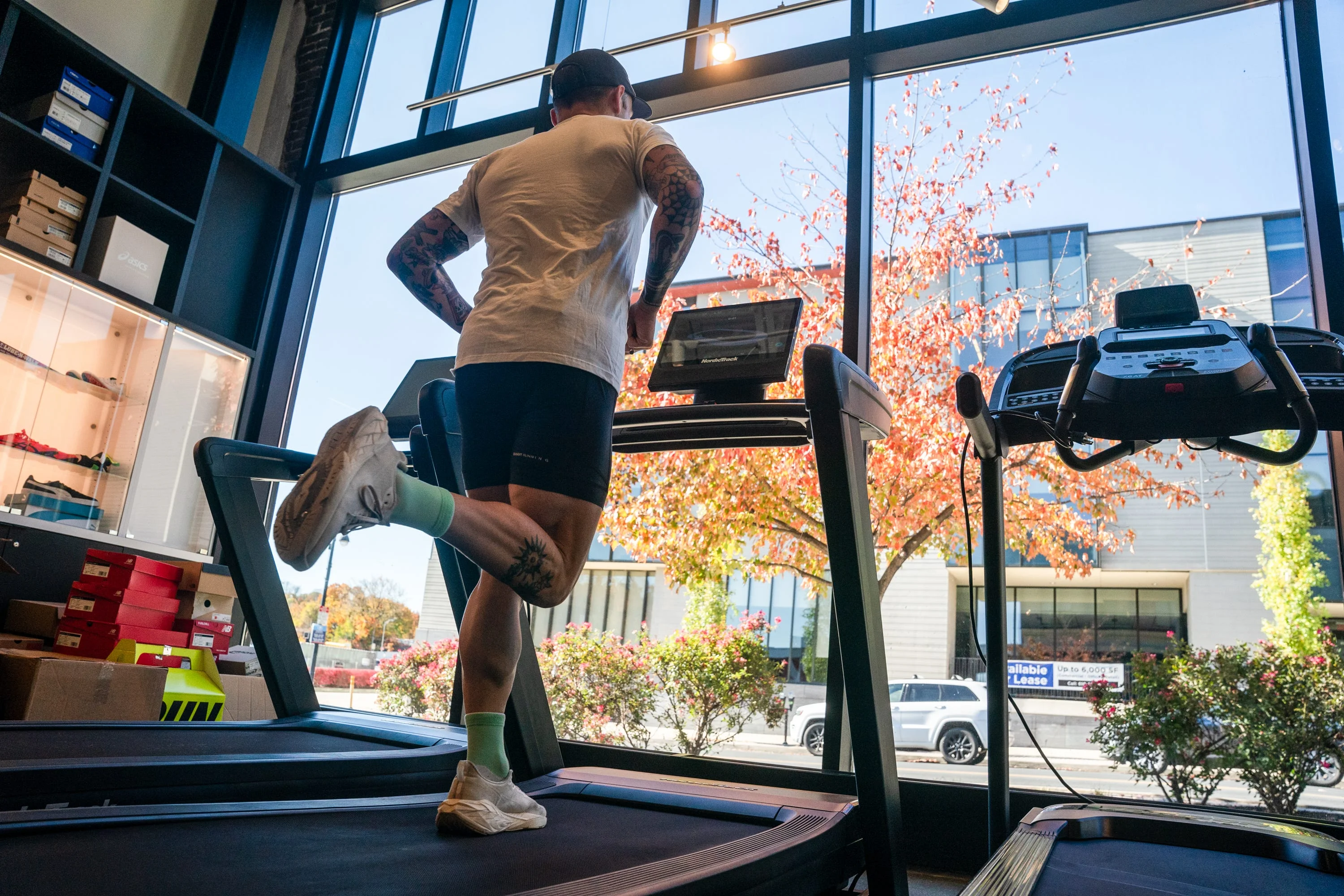
Compare five folding treadmills for running, walking, guided workouts, and interval training, with options for smaller spaces and different budgets.
Zone 2 running builds aerobic fitness and endurance while supporting recovery. Use the talk test and heart rate ranges to find a sustainable pace.
Swimming and cycling build aerobic fitness with less impact than running, but neither fully prepares legs and tendons for running loads. Choose based on your goals and recovery needs.
Jonathan Basalyga transformed his running through focused training, achieving a sub-21 minute 5K at age 53, proving that dedication pays off.
Incorporating targeted calf strength exercises can mitigate tightness and enhance running performance after breaks from training.
Recognize the subtle signs of running progress and learn how to determine when it’s time to increase your pace without compromising recovery.
Learn how a smart taper strategy can enhance recovery and performance ahead of your marathon, ensuring you're ready to hit your goals on race day.
Saucony is gaining traction among runners, offering high-quality shoes that deserve wider recognition beyond serious enthusiasts.